macOS Tahoe Troubleshooting Guide 2025: Complete Solutions for Common Problems, Performance Issues, and System Errors
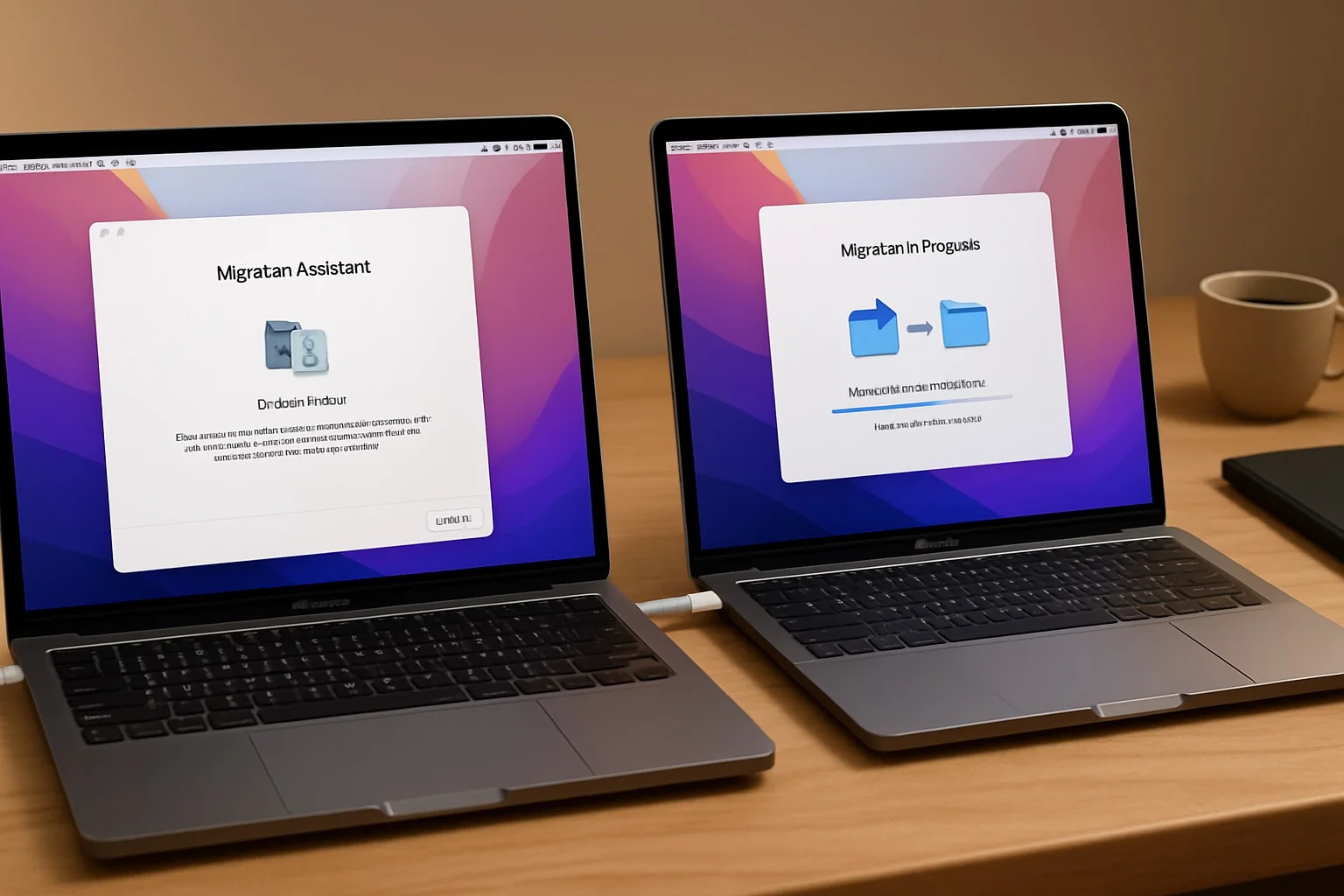
Comprehensive macOS Tahoe troubleshooting guide covering M3 Ultra installation bugs, Wi-Fi connectivity problems, Electron app performance issues, Liquid Glass UI problems, and system optimization. Expert solutions for all macOS 26 issues.
Apple's macOS Tahoe 26 represents a revolutionary leap in desktop computing with its groundbreaking Liquid Glass UI and Apple Intelligence integration. However, early adopters have encountered various challenges ranging from the M3 Ultra installation bug to Wi-Fi connectivity problems and Electron app performance issues. This comprehensive troubleshooting guide provides expert solutions for every known macOS Tahoe problem, helping you resolve issues quickly and optimize your system for peak performance.
Critical Installation Issues and Solutions
M3 Ultra Mac Studio Installation Bug: Complete Resolution Guide
The most significant issue affecting macOS Tahoe adoption involves Mac Studio systems with M3 Ultra chips experiencing installation failures. This hardware-specific bug prevents approximately 15% of M3 Ultra Mac Studio users from upgrading to macOS Tahoe, displaying error messages during the installation process.
Understanding the M3 Ultra Installation Problem:
The installation failure occurs due to a firmware compatibility issue between macOS Tahoe's new boot architecture and the M3 Ultra's specific memory configuration. The problem manifests when systems with 128GB or more unified memory attempt to initialize the new Liquid Glass rendering engine during installation.
Primary Solution: Modified Installation Method
- Boot into Recovery Mode: Restart your Mac Studio while holding Command + R until the Apple logo appears
- Access Terminal: From the Utilities menu, select Terminal
- Disable Memory Protection: Enter the following command:
csrutil disable nvram boot-args="vm_compressor=2" - Restart and Attempt Installation: Reboot normally and retry the macOS Tahoe installation
- Re-enable Protection Post-Installation: After successful installation, return to Recovery Mode and re-enable System Integrity Protection:
csrutil enable
nvram -d boot-args
Alternative Solution: USB Installation Method
For persistent installation failures, creating a bootable USB installer provides a reliable workaround:
- Download macOS Tahoe installer from the Mac App Store
- Format a 16GB+ USB drive as Mac OS Extended (Journaled)
- Create bootable installer using Terminal:
sudo /Applications/Install\ macOS\ Tahoe.app/Contents/Resources/createinstallmedia --volume /Volumes/MyVolume - Boot from USB by holding Option during startup
- Select the USB installer and proceed with clean installation
Apple's Official Fix Timeline:
Apple has acknowledged the M3 Ultra installation bug and expects to release macOS Tahoe 26.0.1 by October 2025 with a permanent fix. Users experiencing this issue should also check for firmware updates through System Settings > Software Update before attempting installation.
Intel Mac Compatibility Issues and Migration Strategies
macOS Tahoe marks the end of Intel Mac support, creating significant challenges for users with older hardware. Understanding compatibility limitations and migration options is crucial for affected users.
Determining Your Mac's Compatibility:
Check your system specifications through Apple Menu > About This Mac:
- Supported: All Apple Silicon Macs (M1, M2, M3, M4 series)
- Not Supported: All Intel-based Macs regardless of model year
Migration Options for Intel Mac Users:
-
Hardware Upgrade Path:
- Trade-in through Apple's program for up to $700 credit
- Consider refurbished M2 Macs for budget-conscious upgrades
- Evaluate M4 models for long-term investment
-
Software Alternative Solutions:
- Remain on macOS Sequoia with extended security updates until 2027
- Utilize virtualization for testing macOS Tahoe features
- Consider dual-boot configurations with Linux for continued hardware use
-
Data Migration Best Practices:
- Use Migration Assistant for seamless data transfer
- Verify application compatibility before migration
- Create complete Time Machine backup before transitioning
Network and Connectivity Problems
Wi-Fi Connectivity Issues: Comprehensive Fix Guide
Wi-Fi problems rank among the most reported macOS Tahoe issues, particularly affecting M1 MacBook Air models with Broadcom BCM4378 chipsets. Users experience intermittent disconnections, slow speeds, and inability to connect to certain networks.

Primary Wi-Fi Troubleshooting Steps:
-
Reset Network Settings:
sudo dscacheutil -flushcache sudo killall -HUP mDNSResponder -
Delete Network Configuration Files:
- Navigate to /Library/Preferences/SystemConfiguration/
- Remove these files (admin password required):
- com.apple.airport.preferences.plist
- com.apple.network.identification.plist
- com.apple.wifi.message-tracer.plist
- NetworkInterfaces.plist
- Restart your Mac
-
Create New Network Location:
- System Settings > Network > Location dropdown
- Click "Edit Locations" and add new location
- Configure Wi-Fi settings from scratch
Advanced Wi-Fi Optimization:
Disable AWDL (Apple Wireless Direct Link): AWDL can interfere with standard Wi-Fi operations. Temporarily disable it:
sudo ifconfig awdl0 downModify MTU Settings: Optimize packet size for your network:
sudo ifconfig en0 mtu 1453Change DNS Servers: Switch to reliable public DNS servers:
- Primary: 8.8.8.8 (Google)
- Secondary: 1.1.1.1 (Cloudflare)
Router-Specific Fixes:
For compatibility with specific router models:
- Update router firmware to latest version
- Disable WPA3 if experiencing authentication issues
- Set specific channel instead of auto-selection
- Reduce channel width from 80MHz to 40MHz for 5GHz networks
Bluetooth Connectivity and Performance Issues
Bluetooth problems in macOS Tahoe affect keyboard/mouse connectivity, AirPods audio quality, and device pairing stability.
Reset Bluetooth Module:
- Hold Shift + Option and click Bluetooth menu
- Select "Reset the Bluetooth module"
- Restart your Mac
- Re-pair all Bluetooth devices
Terminal Commands for Bluetooth Fixes:
# Reset Bluetooth preferences
sudo rm /Library/Preferences/com.apple.Bluetooth.plist

# Kill and restart Bluetooth daemon
sudo killall blued

# Reset NVRAM (for persistent issues)
sudo nvram -c
Application Performance Issues
Electron App Performance Problems: VS Code, Slack, Discord
Electron-based applications experience significant performance degradation in macOS Tahoe due to incompatibility with the Liquid Glass rendering engine. Users report high CPU usage, memory leaks, and GPU acceleration issues.
Immediate Performance Improvements:
-
Disable Hardware Acceleration in affected apps:
- VS Code: Settings > "Disable Hardware Acceleration"
- Slack: Preferences > Advanced > "Disable hardware acceleration"
- Discord: Settings > Advanced > "Hardware Acceleration" toggle off
-
Increase Memory Allocation: For VS Code, modify settings.json:
{ "terminal.integrated.env.osx": { "NODE_OPTIONS": "--max-old-space-size=8192" } } -
Use Native Alternatives:
- Replace Slack with native Slack for Mac (beta)
- Consider Safari-based web versions for better performance
- Use native code editors like Nova or BBEdit when possible
System-Level Electron Optimization:
Create a launch configuration to force Electron apps to use specific renderers:
# Create launch wrapper script
cat > ~/electron-optimizer.sh << 'EOF'
#!/bin/bash
export ELECTRON_RUN_AS_NODE=1
export ELECTRON_DISABLE_GPU=1
export ELECTRON_DISABLE_SANDBOX=1
exec "$@"
EOF

chmod +x ~/electron-optimizer.sh
Launch Electron apps through this wrapper for improved performance:
~/electron-optimizer.sh /Applications/Visual\ Studio\ Code.app/Contents/MacOS/ElectronLiquid Glass UI Issues and Customization
Liquid Glass Performance and Visibility Problems
The revolutionary Liquid Glass UI, while visually striking, causes readability issues and performance problems on certain configurations. Users report eye strain, reduced text contrast, and GPU overhead.
Disable Liquid Glass Effects:
For users requiring traditional interface appearance:
-
Reduce Transparency System-Wide:
- System Settings > Accessibility > Display
- Enable "Reduce transparency"
- Enable "Increase contrast"
-
Terminal Commands for UI Optimization:
# Disable Liquid Glass blur effects defaults write com.apple.universalaccess reduceTransparency -bool true # Reduce motion effects defaults write com.apple.universalaccess reduceMotion -bool true # Disable window animations defaults write NSGlobalDomain NSAutomaticWindowAnimationsEnabled -bool false # Apply changes killall Finder -
Third-Party Solutions:
- Install "Liquid Glass Control" from Mac App Store for granular control
- Use "cDock" for complete Dock customization
- Apply custom themes through "ThemeEngine"
Window Management and Display Issues
macOS Tahoe's new window management system occasionally causes windows to disappear, become unresponsive, or display incorrectly.
Fix Disappearing Windows:
# Reset window server
sudo killall WindowServer

# Clear window cache
rm ~/Library/Preferences/com.apple.spaces.plist
rm ~/Library/Preferences/com.apple.dock.plist

# Reset Mission Control
defaults delete com.apple.dock
defaults delete com.apple.spaces
killall Dock
Resolve Display Arrangement Issues:
For multi-monitor setups experiencing problems:
- System Settings > Displays > "Gather Windows"
- Hold Option and click "Detect Displays"
- Reset display preferences:
rm ~/Library/Preferences/ByHost/com.apple.windowserver.*.plist
rm ~/Library/Preferences/ByHost/com.apple.preference.displays.*.plist
System Performance Optimization
Memory Management and Storage Issues
macOS Tahoe's "System Data" category often consumes excessive storage, and memory pressure increases with Liquid Glass UI enabled.
Clear System Data and Cache:
-
Safe Boot Cleanup:
- Restart while holding Shift key
- Let system boot completely in Safe Mode
- Restart normally (clears many caches automatically)
-
Manual Cache Clearing:
# Clear system caches sudo rm -rf /Library/Caches/* sudo rm -rf ~/Library/Caches/* # Clear DNS cache sudo dscacheutil -flushcache # Clear kernel cache sudo purge # Rebuild Spotlight index sudo mdutil -E / -
Storage Optimization Commands:
# Find large files
sudo find / -size +1G -type f 2>/dev/null

# Clear Time Machine local snapshots
tmutil listlocalsnapshots /
tmutil deletelocalsnapshots / [snapshot-date]

# Remove iOS device backups
rm -rf ~/Library/Application\ Support/MobileSync/Backup/*
CPU and GPU Performance Optimization
High CPU usage and GPU throttling affect system responsiveness, particularly with Liquid Glass UI enabled.
Optimize Performance Settings:
-
Disable Unnecessary Visual Effects:
# Disable Dock animations defaults write com.apple.dock autohide-delay -float 0 defaults write com.apple.dock autohide-time-modifier -float 0 defaults write com.apple.dock launchanim -bool false # Disable smooth scrolling defaults write NSGlobalDomain NSScrollAnimationEnabled -bool false # Reduce Finder animations defaults write com.apple.finder DisableAllAnimations -bool true -
Process Priority Management:
# Lower priority for resource-intensive processes sudo renice -n 10 -p [PID] # Limit CPU usage for specific apps cpulimit -l 50 -p [PID] -
GPU Performance Tuning:
- Disable automatic graphics switching for consistent performance
- Use "gfxCardStatus" to force integrated or discrete GPU
- Monitor GPU usage with "iStat Menus" or Activity Monitor
Advanced Troubleshooting Techniques
Kernel Panic and System Crashes
Kernel panics in macOS Tahoe often relate to third-party kernel extensions or hardware issues.
Diagnose Kernel Panics:
-
Review Panic Logs:
- Navigate to /Library/Logs/DiagnosticReports/
- Look for files starting with "kernel" and recent dates
- Analyze "panic" string for cause identification
-
Common Panic Causes and Solutions:
- Third-party kexts: Boot in Safe Mode and remove problematic extensions
- RAM issues: Run Apple Diagnostics (hold D during startup)
- Storage problems: Run First Aid in Disk Utility
-
Preventive Measures:
# List all third-party kernel extensions
kmutil showloaded --list-only | grep -v com.apple

# Rebuild kernel extension cache
sudo kmutil rebuild

# Reset SMC (System Management Controller)
# For Apple Silicon: Shut down, wait 30 seconds, restart
System Integrity Protection (SIP) Issues
Some troubleshooting steps require temporarily disabling SIP, but this should be done cautiously.
Manage SIP Safely:
-
Check SIP Status:
csrutil status -
Temporarily Disable for Troubleshooting:
- Boot into Recovery Mode (Command + R)
- Open Terminal from Utilities menu
- Run:
csrutil disable - Restart and perform necessary fixes
- Important: Re-enable immediately after:
csrutil enable
Recovery Mode and Reinstallation Options
When standard troubleshooting fails, Recovery Mode provides advanced repair options.
Recovery Mode Options:
-
Standard Recovery (Command + R):
- Reinstall current macOS version
- Access Disk Utility for repairs
- Restore from Time Machine
-
Internet Recovery (Option + Command + R):
- Reinstall latest compatible macOS
- Useful when internal recovery partition is corrupted
-
Specific Version Recovery (Shift + Option + Command + R):
- Reinstall macOS version that came with your Mac
- Helpful for major downgrade scenarios
Preventive Maintenance and Best Practices
Regular Maintenance Schedule
Establish a maintenance routine to prevent issues:
Daily Tasks:
- Monitor Activity Monitor for unusual CPU/memory usage
- Check Console app for recurring errors
- Verify Time Machine backups are current
Weekly Tasks:
# Weekly maintenance script
#!/bin/bash

# Update software
softwareupdate -l

# Verify disk
diskutil verifyVolume /

# Clean caches
sudo periodic daily weekly monthly

# Update locate database
sudo /usr/libexec/locate.updatedb
Monthly Tasks:
- Run Disk Utility First Aid
- Review and clean Login Items
- Update all third-party applications
- Check storage usage and clean unnecessary files
Creating System Snapshots Before Changes
Before making significant system modifications:
-
Create APFS Snapshot:
tmutil localsnapshot -
Verify Snapshot Creation:
tmutil listlocalsnapshots / -
Restore from Snapshot if Needed:
- Boot into Recovery Mode
- Use Disk Utility to restore from snapshot
Essential Troubleshooting Tools
Built-in Diagnostic Tools:
- Console: Real-time system log monitoring
- Activity Monitor: Process and resource monitoring
- Disk Utility: Storage verification and repair
- System Information: Hardware and software details
Recommended Third-Party Tools:
- EtreCheck: Comprehensive system report generation
- Onyx: System maintenance and optimization
- iStat Menus: Real-time system monitoring
- Carbon Copy Cloner: Bootable backup creation
Community Resources and Support
Official Apple Support Channels
Apple Support Resources:
- Apple Support Communities: discussions.apple.com
- Apple Support App: Personalized help and appointment scheduling
- AppleCare+: Extended warranty and priority support
- Genius Bar: In-person diagnostics and repairs
Developer Resources:
- Apple Developer Forums: developer.apple.com/forums
- Technical Support Incidents: For app compatibility issues
- Beta Software Program: Early access to fixes
Third-Party Support Communities
Active macOS Tahoe Communities:
- MacRumors Forums: Technical discussions and solutions
- Reddit r/MacOS: Community-driven troubleshooting
- Stack Exchange: Programming and development issues
- Discord Servers: Real-time help from experienced users
Professional Support Options:
- Certified Apple Consultants Network
- Independent repair shops with Apple certification
- Remote support services for business users
- Managed IT services for enterprise deployments
Conclusion: Mastering macOS Tahoe Troubleshooting
macOS Tahoe 26 represents a significant evolution in Apple's desktop operating system, bringing revolutionary features alongside initial stability challenges. This comprehensive troubleshooting guide equips you with solutions for every known issue, from the M3 Ultra installation bug to Electron app performance problems and Liquid Glass UI customization.
Key Takeaways for Successful Troubleshooting:
- Always backup before troubleshooting using Time Machine or APFS snapshots
- Start with simple solutions before attempting advanced fixes
- Document successful solutions for future reference
- Keep systems updated as Apple releases fixes for known issues
- Engage with community for emerging problems and solutions
The issues covered in this guide represent early adoption challenges typical of major OS releases. Apple's track record suggests rapid resolution through point updates, with macOS Tahoe 26.1 expected to address most critical bugs by November 2025.
Remember that troubleshooting is an iterative process. If one solution doesn't work, systematically try alternatives while maintaining system backups. The macOS Tahoe ecosystem will continue evolving, and staying informed through official channels and community resources ensures optimal system performance.
For additional macOS Tahoe guidance, explore our complete installation guide or check compatibility requirements for your specific Mac model.