iPhone 17e Complete Preview: A19 Chip, C1X Modem, MagSafe & Everything We Know Before Apple's February 19 Announcement
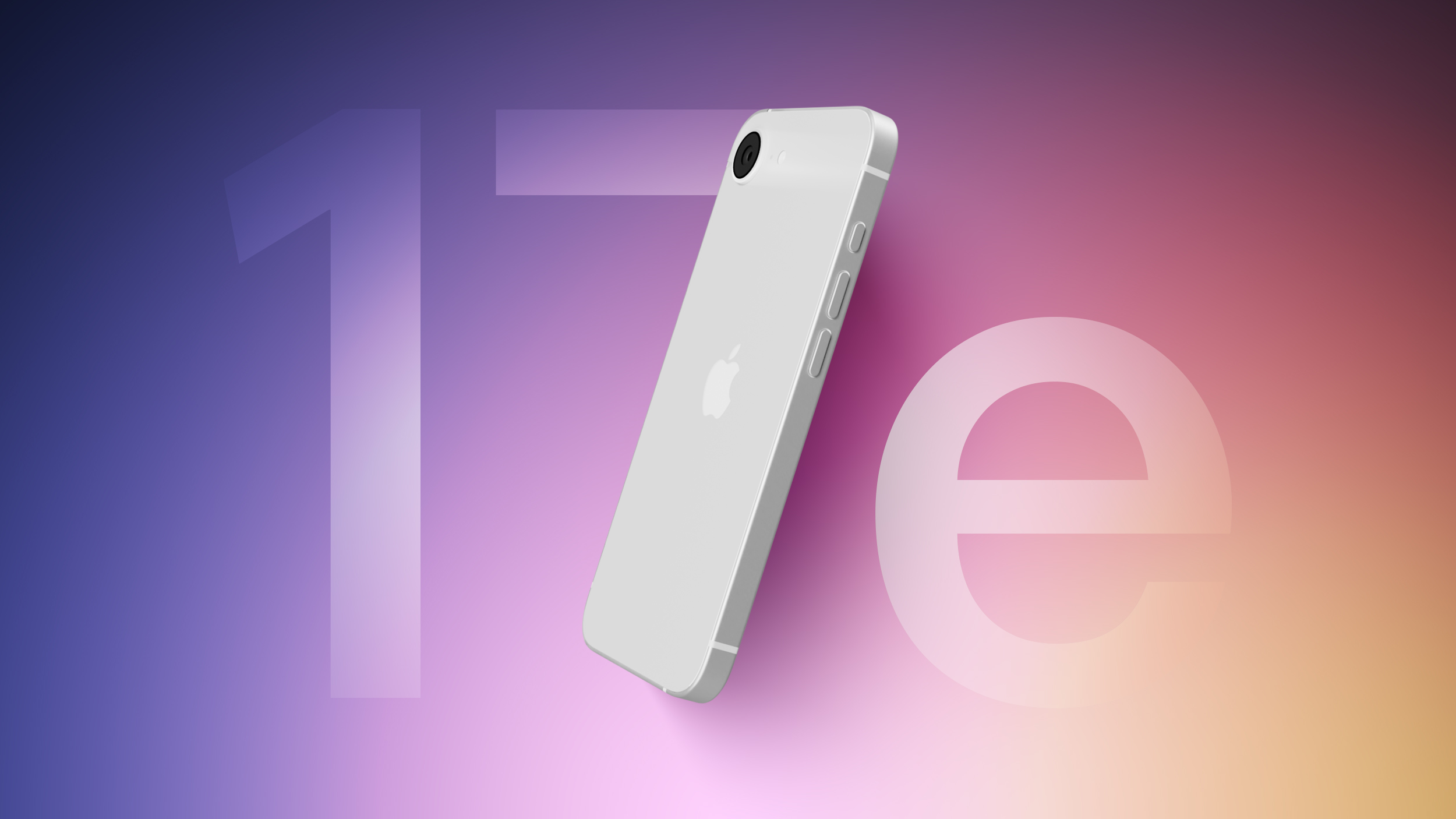
Everything you need to know about the iPhone 17e before Apple's expected February 19, 2026 announcement. Detailed specs including A19 chip, Apple's C1X cellular modem, MagSafe support, Dynamic Island, and $599 pricing. Plus comparison with iPhone 16e and buying advice.
The iPhone 17e is just days away. According to multiple credible sources, including Bloomberg's Mark Gurman, Apple is poised to announce its next-generation budget iPhone on Thursday, February 19, 2026 -- exactly one year to the day after the iPhone 16e debuted. This is not a splashy keynote affair. Expect a quiet but impactful Apple Newsroom press release that will nonetheless send ripples through the entire smartphone market.
Why the excitement over a budget phone? Because the iPhone 17e is shaping up to be the most significant upgrade Apple has ever delivered to its affordable iPhone line. With the current-generation A19 chip, Apple's in-house C1X cellular modem, MagSafe magnetic charging, the Dynamic Island, and full Apple Intelligence support -- all at the same $599 price point -- the iPhone 17e could redefine what "budget" means in Apple's lineup.
Whether you are an iPhone SE loyalist, an iPhone 16e owner weighing an upgrade, an Android user curious about switching, or a Mac user looking for the perfect companion device, this comprehensive guide covers absolutely everything you need to know before Apple's announcement.
Table of Contents
- Executive Summary: Why the iPhone 17e Matters
- Announcement Details: What to Expect on February 19
- Key Specs and Features: Everything Under the Hood
- iPhone 17e vs iPhone 16e: Full Comparison
- The C1X Modem: Apple's Wireless Revolution
- Apple Intelligence on a Budget
- Why the iPhone 17e Matters for Mac Users
- Who Should Buy the iPhone 17e?
- Should You Wait for iPhone 18 Instead?
- How to Prepare for Purchase
- Timeline and Availability
- Conclusion: The Budget iPhone Grows Up
Executive Summary: Why the iPhone 17e Matters
The iPhone 17e represents a philosophical shift in how Apple approaches its budget iPhone. For years, the "SE" and later "e" line relied on recycled designs and previous-generation chips to hit a lower price point. The iPhone SE 3 shipped with the A15 chip -- already a year old at launch. The iPhone 16e improved this with the A18 chip, but still lacked features that flagship users had enjoyed for years, like MagSafe and the Dynamic Island.
The iPhone 17e changes this calculus entirely. Here is what makes it remarkable:
- A19 Chip: For the first time ever, the budget iPhone gets the same generation chip as the flagship iPhone 17. Not a year-old chip. Not a binned-down variant. The A19.
- Apple C1X Modem: Apple's second-generation in-house cellular modem replaces the aging Qualcomm partnership, promising better efficiency and faster 5G speeds.
- Apple N1 Chip: A brand-new dedicated chip handling Bluetooth, Wi-Fi, and Thread connectivity.
- MagSafe Support: Finally arrives on the budget line with up to 25W wireless charging speeds.
- Dynamic Island: The pill-shaped interactive display cutout replaces the notch, bringing visual consistency across the entire iPhone lineup for the first time.
- Apple Intelligence: Full support for Apple's AI features, powered by that A19 chip's 16-core Neural Engine.
- $599 Price: Unchanged from the iPhone 16e. More features, same cost.
This is not a minor spec bump. This is the budget iPhone growing up, and for many users, it eliminates the need to spend $800 or more on a flagship.
Announcement Details: What to Expect on February 19
The Date: Thursday, February 19, 2026
Multiple sources now point to Thursday, February 19 as the announcement date. This aligns with Apple's pattern -- the iPhone 16e was announced on February 19, 2025, also a Wednesday/Thursday timeframe. Mark Gurman of Bloomberg described the iPhone 17e launch as "imminent" in his Power On newsletter published February 8, 2026, further cementing expectations.
The Format: Apple Newsroom Press Release
Do not expect a live event or keynote for the iPhone 17e. Apple's budget iPhones have always received a more understated launch -- a press release posted to the Apple Newsroom, accompanied by a product page going live on apple.com. This is the same approach Apple used for the iPhone 16e, iPhone SE 3, and iPhone SE 2.
This lower-key approach makes sense. The iPhone 17e is not a showcase for new technologies that need on-stage demonstrations. Its selling points -- the A19 chip, C1X modem, MagSafe -- are best communicated through spec sheets and comparison charts rather than live demos.
What Else Might Apple Announce?
There is strong speculation that Apple could bundle the iPhone 17e announcement with other product updates. Reports suggest a new 11th-generation iPad and possibly refreshed MacBook Air models could accompany the iPhone 17e in the same press release window. Apple has a history of bundling spring product refreshes together, so do not be surprised if February 19 brings multiple announcements.
Pre-Orders and Availability
Based on Apple's established pattern with budget iPhone launches:
- February 19 (Thursday): Announcement via Apple Newsroom
- February 20-21: Product pages go live, carrier partner announcements
- Late February (Feb 27-28): Pre-orders likely open on a Friday
- Early March (March 6-7): In-store availability and shipping begins
Apple has been consistent with a roughly one-week gap between announcement and pre-orders, followed by another week until shipping. If the February 19 date holds, most buyers should have their iPhone 17e in hand by the first or second week of March.
Key Specs and Features: Everything Under the Hood
Let us break down every confirmed and rumored specification for the iPhone 17e.
A19 Chip: Current-Generation Power at a Budget Price
The star of the show is unquestionably the Apple A19 chip. Built on TSMC's 3-nanometer N3P process, the A19 debuted in the iPhone 17 lineup in September 2025. This is the first time Apple has given its budget iPhone the same-year chip as its flagships.
What the A19 delivers:
- CPU Performance: Up to 40% faster than the A18 chip in the iPhone 16e, with a new 6-core design (2 performance + 4 efficiency cores)
- GPU Performance: A 5-core GPU delivering significant graphics improvements for gaming, video editing, and computational photography
- Neural Engine: A 16-core Neural Engine purpose-built for Apple Intelligence tasks, on-device machine learning, and advanced photography processing
- Energy Efficiency: The 3nm process means better performance-per-watt, translating to longer battery life even with increased processing power
- Memory: 8GB of RAM, matching the iPhone 16e but optimized for Apple Intelligence workloads
There is some debate about whether the A19 in the iPhone 17e will be a slightly binned variant -- meaning Apple might disable a GPU core or reduce clock speeds compared to the iPhone 17 standard. Even if that is the case, the A19's raw performance represents a generational leap over the A18.
Why this matters for longevity: With the A19 chip, the iPhone 17e should receive iOS updates for at least 6-7 years, meaning software support well into 2032 or 2033. This makes the $599 investment extraordinarily cost-effective over time.
Apple C1X Modem: The In-House Cellular Revolution
The C1X is Apple's second-generation cellular modem, succeeding the C1 that debuted in the iPhone 16e. This is a massive deal. For over a decade, Apple relied on Qualcomm modems for cellular connectivity. The transition to in-house modems gives Apple full control over the cellular stack, enabling tighter integration with iOS and better power management.
We will dive deep into the C1X modem in a dedicated section below.
Apple N1 Chip: Next-Generation Wireless Connectivity
Alongside the C1X modem, the iPhone 17e will feature Apple's N1 wireless chip -- a brand-new silicon dedicated to handling:
- Bluetooth 5.4: Enhanced range and connection stability with AirPods, Apple Watch, and other accessories
- Wi-Fi 7: Support for the latest wireless standard, delivering multi-gigabit speeds with lower latency
- Thread: Smart home mesh networking protocol, making the iPhone 17e a Thread border router for HomeKit devices
The N1 replaces what was previously handled by Broadcom chips in earlier iPhones. By bringing this in-house, Apple achieves better power efficiency and deeper integration with iOS features like AirDrop, Handoff, and Continuity.
MagSafe Support: A Game-Changing Addition
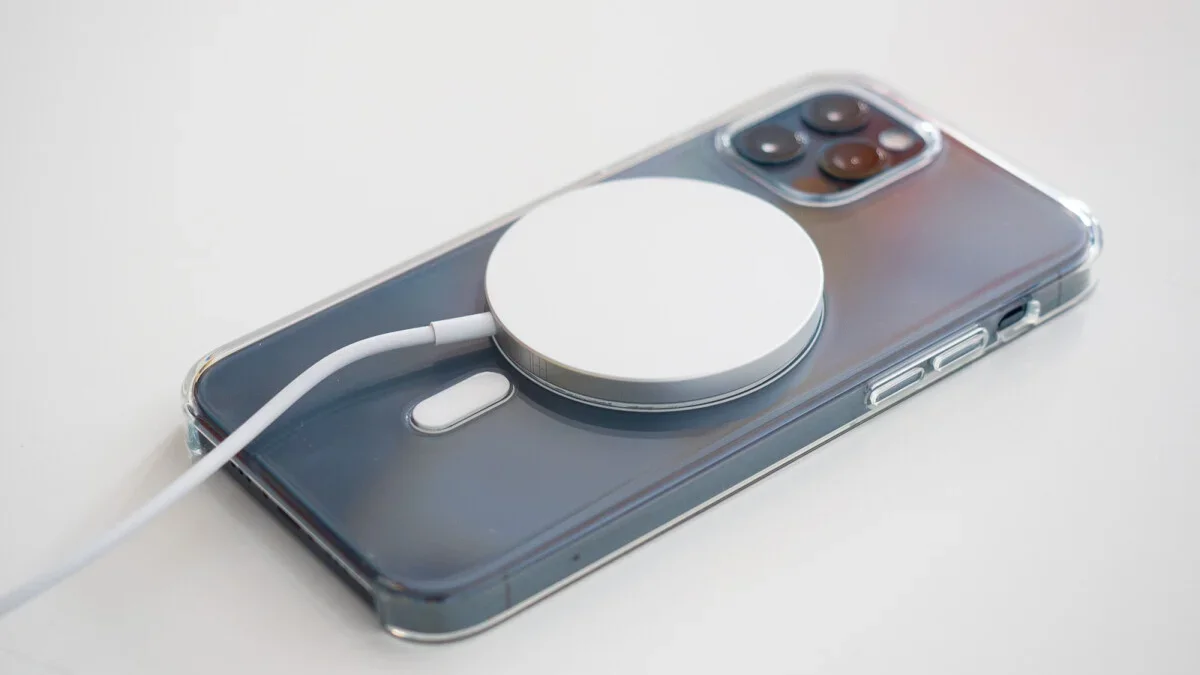
The inclusion of MagSafe on the iPhone 17e is arguably the most meaningful quality-of-life upgrade for users coming from the iPhone 16e or earlier SE models.
What MagSafe brings:
- 25W Wireless Charging: A massive leap from the iPhone 16e's 7.5W Qi-only wireless charging. The iPhone 16e did not include MagSafe magnets at all, limiting users to slow, alignment-imprecise Qi pads
- Magnetic Alignment: Perfect charging alignment every time, eliminating the guesswork of placing your phone on a charging pad
- Accessory Ecosystem: Full compatibility with the extensive MagSafe accessory lineup -- wallets, car mounts, battery packs, stands, and more
- Qi2 Compatibility: MagSafe is built on the Qi2 standard, so third-party Qi2 chargers will work at full speed
For users who have watched flagship iPhone owners enjoy the convenience of magnetic snap-on charging and accessories, this is a long-overdue addition to the budget line.
Dynamic Island: The Notch Is Finally Gone
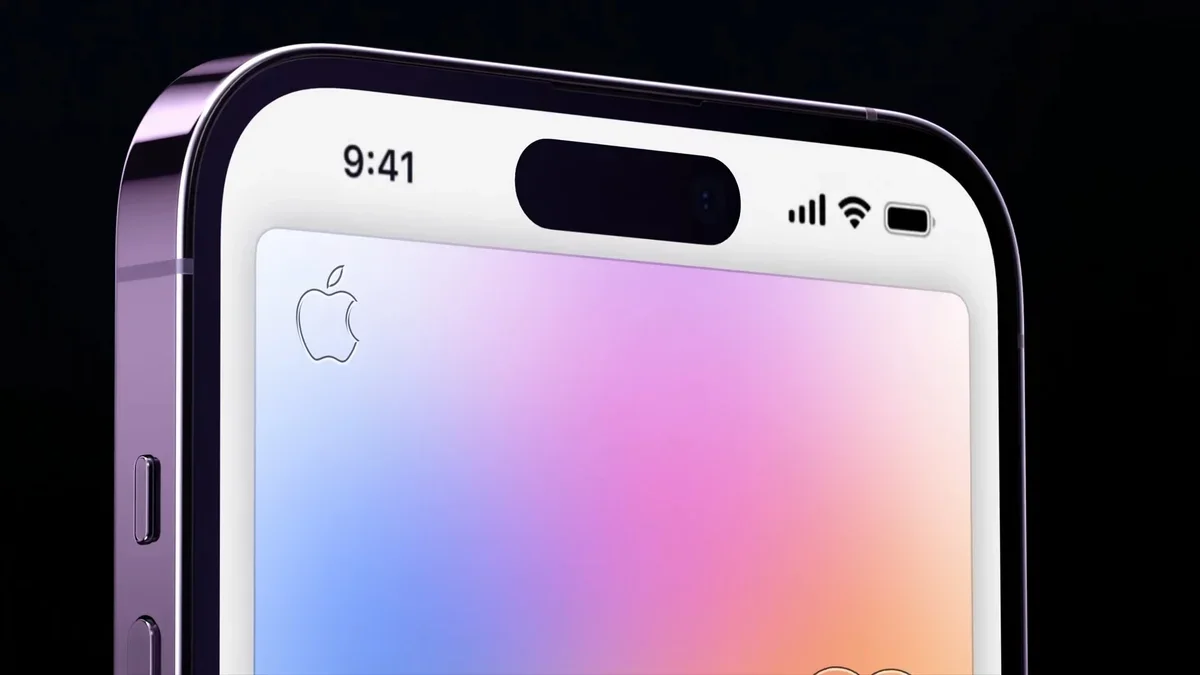
Reports strongly suggest the iPhone 17e will adopt the Dynamic Island -- the pill-shaped display cutout that debuted on the iPhone 14 Pro in 2022 and has since expanded to every flagship model.
What Dynamic Island offers:
- Interactive Notifications: Live Activities appear around the pill cutout, showing timers, music playback, navigation, sports scores, and more without opening apps
- Seamless Design: The pill shape is smaller and more elegant than the notch, giving you more usable screen area
- Multitasking Indicator: Tap and hold to expand background activities into a mini-widget view
- Visual Consistency: For the first time, every iPhone in Apple's lineup will feature the Dynamic Island, eliminating the visual tier distinction between budget and flagship
Note: Some conflicting reports suggest Apple might retain the notch on the iPhone 17e. However, the weight of recent leaks, including render images showing the Dynamic Island, supports its inclusion. We will know for certain on February 19.
Display: 6.1-inch OLED at 60Hz
The iPhone 17e is expected to retain a 6.1-inch OLED display, matching the iPhone 16e's screen size. Key display specs include:
- Panel Technology: OLED with deep blacks, vibrant colors, and excellent outdoor visibility
- Refresh Rate: 60Hz -- still no ProMotion 120Hz, which remains a differentiator for the standard iPhone 17 and Pro models
- Resolution: Likely around 2556 x 1179 pixels, matching or slightly improving on the iPhone 16e
- HDR Support: Dolby Vision and HDR10 playback
- True Tone: Adaptive color temperature based on ambient lighting
- Haptic Touch: Standard long-press functionality
The 60Hz refresh rate is the one area where the iPhone 17e clearly concedes ground to its pricier siblings. If 120Hz scrolling is important to you, you will need to step up to at least the standard iPhone 17 at $799. For most users, however, 60Hz OLED remains smooth and perfectly usable for everyday tasks.
Camera: Single 48MP Rear, 18MP Front
The iPhone 17e will continue with a single-camera setup on the rear:
- Rear Camera: 48MP Wide Angle lens, likely matching or closely resembling the sensor in the iPhone 16e
- Front Camera: Upgraded to 18MP with Center Stage support for dynamic framing during video calls
- 2x Optical-Quality Zoom: Sensor-crop zoom leveraging the 48MP sensor's resolution
- Photonic Engine: Apple's computational photography pipeline, enhanced by the A19's processing power
- 4K Video: 4K recording at 24, 30, and 60fps
- Cinematic Mode: Background blur in video with automatic focus transitions
- Night Mode: Enhanced low-light photography
While a single camera limits versatility compared to the dual or triple setups on flagship models, the combination of a 48MP sensor with A19-powered computational photography should deliver excellent results for the vast majority of users. The upgrade to an 18MP front camera is a welcome improvement for selfies and FaceTime calls.
Storage Options
The iPhone 17e is expected to start at 128GB of base storage, with 256GB and 512GB options available:
| Storage | Expected Price |
|---|---|
| 128GB | $599 |
| 256GB | $699 |
| 512GB | $799 |
128GB remains adequate for most users, but if you plan to store large photo libraries, lots of apps, or download content for offline use, the 256GB option offers a comfortable middle ground.
Other Notable Specs
- Face ID: Biometric authentication via TrueDepth camera system
- 5G Connectivity: Sub-6GHz and mmWave support via the C1X modem
- USB-C: Standard USB-C port for charging and data transfer
- Emergency SOS via Satellite: Carried forward from iPhone 16e
- Crash Detection: Accelerometer and gyroscope-based crash detection
- Water Resistance: Expected IP68 rating
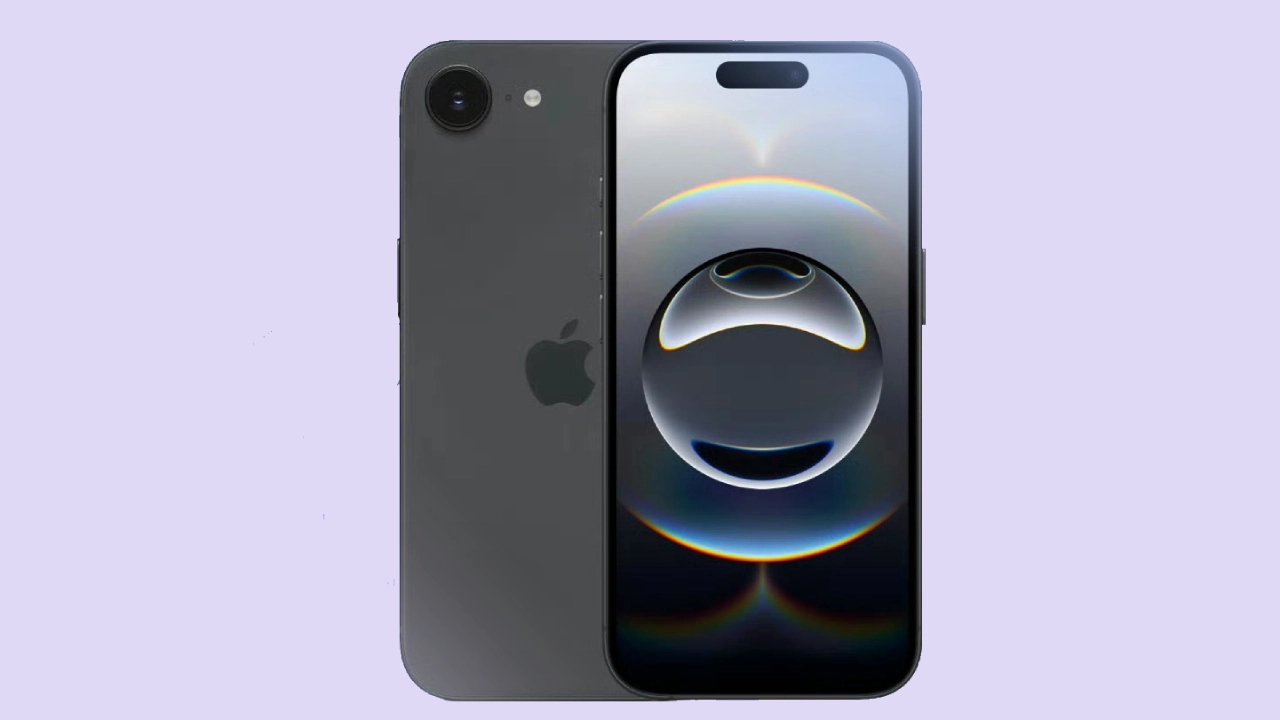
- Colors: Rumored to include Black and White, with possibly additional color options
- Operating System: iOS 19.3 or later at launch
iPhone 17e vs iPhone 16e: Full Comparison
This is the comparison that matters most for prospective buyers. The iPhone 17e brings significant upgrades while maintaining the same price, making it one of Apple's best year-over-year value improvements ever.
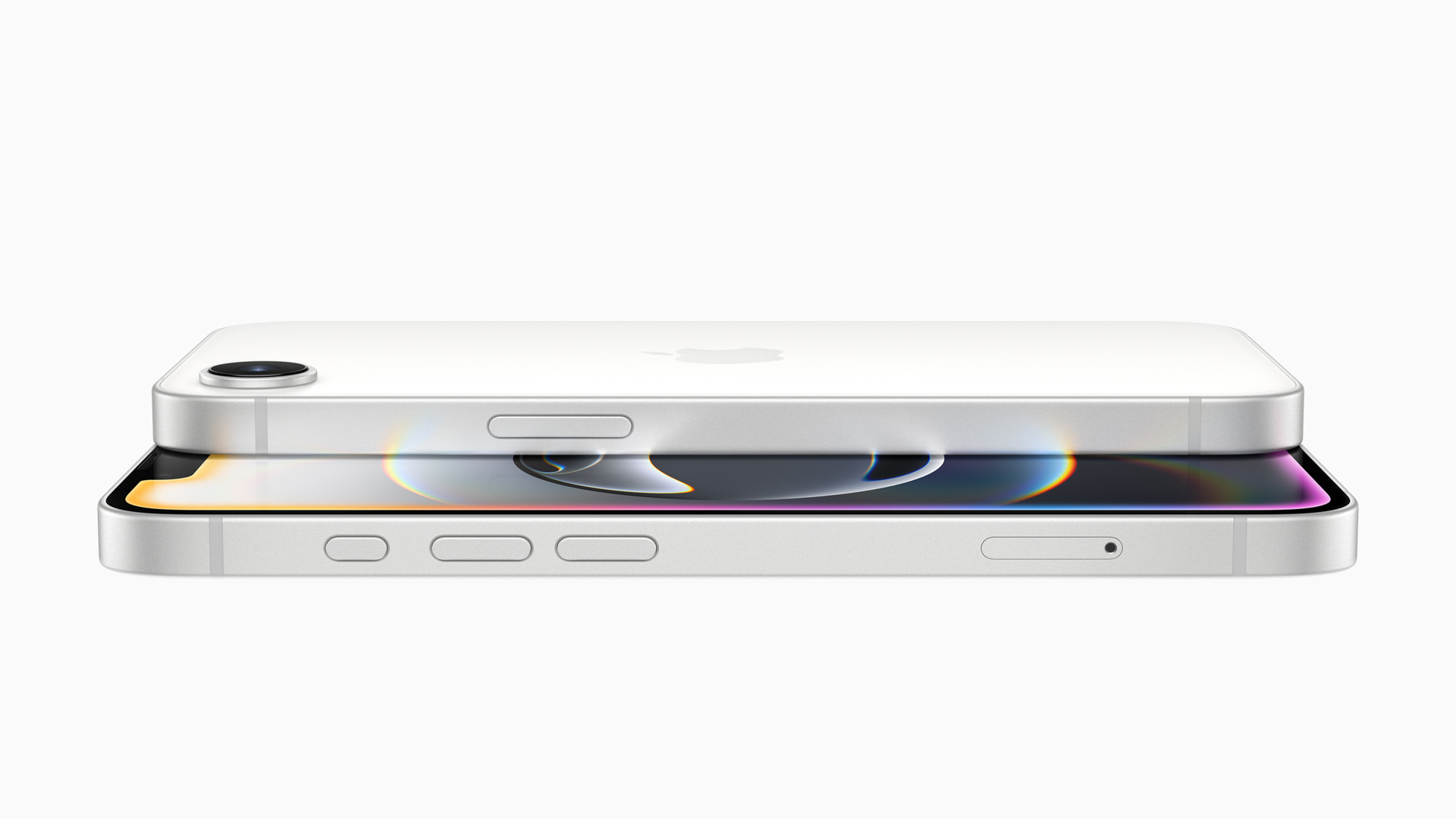
Complete Specifications Comparison
| Specification | iPhone 17e (Expected) | iPhone 16e |
|---|---|---|
| Price | $599 | $599 |
| Chip | A19 (3nm) | A18 (3nm) |
| Cellular Modem | Apple C1X | Apple C1 |
| Wireless Chip | Apple N1 | Broadcom |
| RAM | 8GB | 8GB |
| Base Storage | 128GB | 128GB |
| Display Size | 6.1" OLED | 6.1" OLED |
| Refresh Rate | 60Hz | 60Hz |
| Display Cutout | Dynamic Island (expected) | Notch |
| Rear Camera | 48MP Wide | 48MP Wide |
| Front Camera | 18MP Center Stage | 12MP |
| MagSafe | Yes (25W) | No (7.5W Qi only) |
| Wireless Charging | 25W MagSafe + Qi2 | 7.5W Qi |
| 5G | C1X (faster) | C1 |
| Wi-Fi | Wi-Fi 7 (N1) | Wi-Fi 7 |
| Bluetooth | 5.4 (N1) | 5.3 |
| Thread | Yes (N1) | No |
| Apple Intelligence | Yes | Yes |
| Face ID | Yes | Yes |
| USB-C | Yes | Yes |
| Satellite SOS | Yes | Yes |
| Water Resistance | IP68 | IP68 |
The Five Key Upgrades
1. A19 vs A18: A Meaningful Performance Leap
The jump from A18 to A19 brings approximately 40% more CPU performance, a more powerful GPU, and a significantly enhanced 16-core Neural Engine. While both chips support Apple Intelligence, the A19 handles AI tasks faster and more efficiently. This translates to snappier app launches, smoother multitasking, better gaming performance, and faster photo/video processing.
More importantly, the A19 chip extends the iPhone 17e's useful lifespan. With the latest chip, you can expect iOS updates and Apple Intelligence improvements for years longer than the already-capable A18.
2. C1X vs C1 Modem: Twice the Speed, Better Efficiency
The C1X modem is advertised as being up to twice as fast as the C1 for cellular data while consuming less power. This means faster downloads, quicker web page loads, smoother streaming, and better battery life during heavy cellular use. The C1X also supports the latest 5G standards, future-proofing the device for network improvements.
3. MagSafe vs No MagSafe: Night and Day Difference
The iPhone 16e's lack of MagSafe was one of its most criticized omissions. It supported only 7.5W Qi wireless charging with no magnetic alignment. The iPhone 17e's MagSafe support means 25W charging speeds (over 3x faster), perfect alignment every time, and access to the massive MagSafe accessory ecosystem. This alone could justify the upgrade for many users.
4. Dynamic Island vs Notch: A Modern Face
If the Dynamic Island is confirmed, it represents the iPhone 17e catching up with a design language Apple introduced back in 2022. The Dynamic Island is not just cosmetic -- it provides functional benefits through Live Activities and interactive notifications. It also gives you slightly more screen area compared to the wider notch.
5. 18MP vs 12MP Front Camera
The upgrade from a 12MP to an 18MP front camera with Center Stage support is a notable improvement for selfie quality and video calls. Center Stage automatically tracks and frames you during FaceTime calls, keeping you centered even as you move around -- a feature that remote workers and frequent video callers will appreciate.
What Stays the Same
- Price: $599 -- no increase despite significant upgrades
- Display: Same 6.1-inch OLED, same 60Hz refresh rate
- Rear Camera: Same 48MP single-camera setup
- Storage Options: Same 128GB/256GB/512GB tiers
- RAM: Same 8GB
- Design Language: The overall physical design is expected to be very similar, with the same form factor and dimensions
The Verdict: Upgrade or Wait?
If you own an iPhone 16e, the upgrade case depends on how much you value MagSafe and the faster modem. For iPhone SE 3 or older owners, the iPhone 17e is a no-brainer upgrade. The A19 chip alone makes it worth the jump, and MagSafe sweetens the deal considerably.
The C1X Modem: Apple's Wireless Revolution
The Apple C1X modem deserves special attention because it represents one of the most significant strategic moves in Apple's recent history.
Background: Why Apple Built Its Own Modem
Apple's relationship with Qualcomm -- the dominant supplier of cellular modems -- has been tumultuous. Years of patent disputes, licensing disagreements, and a desire for greater control over the iPhone's core technologies drove Apple to acquire Intel's modem division in 2019 for $1 billion. The goal: design and manufacture its own cellular modems, just as it does with its A-series and M-series processors.
The first fruit of this effort was the C1 modem, which debuted in the iPhone 16e in February 2025. While functional, the C1 was a first-generation product with acknowledged limitations -- it was not as fast as Qualcomm's latest offerings, and it lacked some advanced features. Apple continued using Qualcomm modems in its flagship iPhone 16 Pro models.
What the C1X Brings to the Table
The C1X is Apple's second-generation modem, and it addresses many of the C1's shortcomings:
- Speed: Up to 2x faster cellular data speeds compared to the C1, bringing it closer to parity with Qualcomm's best
- Power Efficiency: More efficient cellular radio operation means less battery drain during active 5G use -- one of the biggest complaints about 5G smartphones in general
- Integration: Tighter integration with iOS for smarter band switching, faster handoffs between cell towers, and more reliable connections in weak-signal areas
- 5G Advanced: Support for the latest 5G Release 17 specifications, enabling features like improved positioning, reduced latency, and better performance in crowded network environments
- Carrier Aggregation: Enhanced carrier aggregation combining multiple frequency bands for peak speeds
What This Means for Everyday Use
For the average user, the C1X modem translates to:
- Faster downloads: Apps install quicker, streaming starts faster, photos and videos upload in less time
- Better battery life: The modem spends less power maintaining cellular connections, especially in areas with variable signal strength
- More reliable connections: Smarter switching between 5G, LTE, and Wi-Fi means fewer dropped connections and smoother handoffs
- Future-proofing: As carriers continue rolling out advanced 5G features, the C1X is built to take advantage of them
The Bigger Picture: Apple's Vertical Integration
The C1X modem in the iPhone 17e is part of Apple's broader strategy to control every piece of silicon in its devices. The company already designs its own CPU, GPU, Neural Engine, image signal processor, and now cellular modem and wireless connectivity chip (N1). This vertical integration gives Apple unique advantages:
- Optimized Power Management: When one company designs both the processor and the modem, they can share power budgets intelligently, something Qualcomm cannot do for Apple's specific hardware
- Custom Features: Apple can build iOS-specific features directly into the modem hardware, potentially enabling capabilities that generic modems cannot support
- Supply Chain Independence: Reduced reliance on Qualcomm eliminates a significant dependency and licensing cost
The iPhone 17e bringing the C1X to a $599 device means Apple is confident enough in its modem technology to deploy it across price tiers, signaling rapid maturation of this in-house capability.
Apple Intelligence on a Budget
One of the most compelling aspects of the iPhone 17e is its full support for Apple Intelligence -- Apple's suite of AI-powered features that has become increasingly central to the iOS experience.
What Apple Intelligence Features You Get
With the A19 chip and 8GB of RAM, the iPhone 17e will support the complete Apple Intelligence feature set:
Writing Tools
- Proofread: AI-powered grammar and style corrections across all text fields
- Rewrite: Rephrase text in different tones -- professional, friendly, concise
- Summarize: Condense long emails, articles, and messages into key points
- Smart Reply: Context-aware suggested replies in Messages and Mail
Siri Enhancements
- Contextual Understanding: Siri can understand follow-up questions and maintain conversation context
- On-Screen Awareness: Siri can see and act on what is displayed on your screen
- App Actions: Deeper integration with third-party apps for complex multi-step tasks
- Personal Context: Siri draws on your emails, messages, and calendar to provide personalized responses
Image and Visual Tools
- Image Playground: Generate original images from text descriptions
- Genmoji: Create custom emoji from text prompts
- Clean Up: Remove unwanted objects from photos with AI-powered inpainting
- Visual Intelligence: Point your camera at objects to get information, translations, and more
Notification and Communication
- Priority Notifications: AI determines which notifications matter most and surfaces them prominently
- Notification Summaries: Condensed overviews of grouped notifications
- Mail Categories: Automatic email categorization and summarization
- Focus Filters: Smarter Do Not Disturb based on AI-detected context
Why the A19 Matters for Apple Intelligence
While the A18 in the iPhone 16e also supports Apple Intelligence, the A19's enhanced Neural Engine processes AI tasks significantly faster. This means:
- Faster Summarization: Long email threads summarize in seconds rather than waiting several seconds
- Quicker Image Generation: Image Playground and Genmoji render faster
- Smoother Siri Interactions: Less latency between your request and Siri's response
- Better On-Device Processing: More AI tasks can be handled locally without sending data to Apple's servers, improving both speed and privacy
As Apple continues adding new Apple Intelligence features with each iOS update, the A19's headroom ensures the iPhone 17e will handle future AI capabilities gracefully.
Why the iPhone 17e Matters for Mac Users
If you are reading this on a Mac -- and given this site's audience, there is a good chance you are -- the iPhone 17e deserves your attention as the ideal Mac companion device. Apple's ecosystem integration between Mac and iPhone has never been stronger, and the iPhone 17e supports all of it.
Continuity Features
The iPhone 17e supports the full suite of Continuity features that make Mac and iPhone work together seamlessly:
- Handoff: Start an email, document, or web browsing session on your iPhone and instantly continue on your Mac, or vice versa. The Handoff icon appears in your Dock, making transitions effortless.
- Universal Clipboard: Copy text, images, or files on your iPhone and paste them on your Mac. The A19's processing speed makes this transfer near-instantaneous.
- Continuity Camera: Use the iPhone 17e's 48MP rear camera as a wireless webcam for your Mac. The improved 18MP front camera also works for FaceTime calls initiated from your Mac.
- Continuity Markup: Sign documents, annotate screenshots, or sketch drawings on your iPhone that appear in real-time on your Mac.
- Sidecar: While primarily an iPad feature, the underlying connectivity frameworks benefit from the N1 chip's improved wireless performance.
iPhone Mirroring
One of the most transformative features for Mac users is iPhone Mirroring, introduced with macOS Tahoe and iOS 19. With the iPhone 17e:
- Mirror your iPhone screen directly on your Mac desktop as a window
- Interact with iPhone apps using your Mac's keyboard and trackpad
- Receive iPhone notifications on your Mac and act on them without touching your phone
- Drag and drop files between your iPhone and Mac effortlessly
The iPhone 17e's A19 chip ensures smooth, low-latency mirroring even when running demanding apps. The N1 wireless chip provides reliable connectivity for this feature, which relies on a combination of Bluetooth and Wi-Fi Direct.
For a complete guide to setting up and troubleshooting these features, check out our macOS Tahoe Continuity Features Complete Troubleshooting Guide.
AirDrop and Proximity Sharing
The N1 chip enhances AirDrop with:
- Faster Transfer Speeds: Wi-Fi 7 support means large files, photo libraries, and video clips transfer significantly faster
- Extended Range: Improved Bluetooth 5.4 allows AirDrop discovery at greater distances
- NameDrop: Share contact information by bringing your iPhone close to another iPhone or Apple Watch
- SharePlay Proximity: Start shared media experiences just by being near other Apple devices
iCloud Integration
The iPhone 17e with 128GB+ storage pairs perfectly with iCloud for Mac users:
- iCloud Photo Library: Photos taken on your iPhone 17e's 48MP camera automatically sync to the Photos app on your Mac
- iCloud Drive: Documents edited on either device stay in sync
- iCloud Keychain: Passwords, passkeys, and Wi-Fi credentials shared across all your Apple devices
- Find My: Track your iPhone 17e from your Mac, and vice versa
The Budget Mac Companion
At $599, the iPhone 17e is the most affordable way to get full Apple ecosystem integration with your Mac. It supports every Continuity feature, runs Apple Intelligence for cross-device AI workflows, and its MagSafe compatibility means you can charge it on the same Qi2 chargers you might already use for other devices. If you have been using an older iPhone or even an Android phone alongside your Mac, the iPhone 17e eliminates the last barriers to a fully integrated Apple setup.
Who Should Buy the iPhone 17e?
The iPhone 17e occupies a unique space in Apple's lineup. Here is a frank assessment of who it serves best -- and who should look elsewhere.
Ideal Buyers
Budget-Conscious Apple Users
If you want the Apple experience without spending $800+, the iPhone 17e delivers remarkable value. You get the same chip as the $799 iPhone 17, MagSafe, full Apple Intelligence support, and a modern design. The only significant compromises are a 60Hz display, single rear camera, and slightly less premium build materials.
iPhone SE 3 and Older Upgraders
If you are still rocking an iPhone SE 3 (2022) with its A15 chip and Home Button design, the iPhone 17e is a transformative upgrade:
- A15 to A19: Approximately 80-100% performance improvement
- Home Button to Face ID: Modern, secure biometric authentication
- 4.7-inch LCD to 6.1-inch OLED: A dramatically better display in every way
- No wireless charging upgrade to 25W MagSafe
- Lightning to USB-C
iPhone 16e Owners Who Missed MagSafe
The lack of MagSafe was the iPhone 16e's most criticized omission. If you bought an iPhone 16e and have been envious of MagSafe users, the iPhone 17e addresses this directly. Combined with the faster C1X modem and potential Dynamic Island, it is a meaningful upgrade at no additional cost.
Android Switchers
At $599, the iPhone 17e is Apple's most attractive entry point for Android users considering a switch:
- Competitive price point against mid-range Android flagships
- Full Apple Intelligence support that rivals Google's AI features
- MagSafe accessory ecosystem has no real Android equivalent
- iMessage, FaceTime, and AirDrop integrate with friends and family on Apple devices
- Long software support lifecycle (6-7 years of iOS updates)
Secondary Device Users
For users who carry a personal and work phone, or who want a dedicated device for travel, the iPhone 17e at $599 is an excellent secondary device. MagSafe makes it easy to grab and go, the C1X modem provides excellent cellular performance, and Apple Intelligence works fully on-device for privacy-sensitive use cases.
Parents and Families
The iPhone 17e is a strong choice for family members who need a capable, long-lasting iPhone without the flagship price. Its durability, long software support, and Apple Intelligence features make it suitable for teenagers, college students, and parents who want reliability over cutting-edge specs.
Who Should Look Elsewhere
Photography Enthusiasts: If camera versatility matters to you -- ultra-wide angles, telephoto zoom, macro photography -- the single 48MP camera will feel limiting. Consider the iPhone 17 ($799) for dual cameras or the iPhone 17 Pro ($1,099) for the triple-camera system.
ProMotion Display Lovers: If you have experienced 120Hz scrolling and cannot go back to 60Hz, the iPhone 17e will feel noticeably less smooth. The standard iPhone 17 and all Pro models offer 120Hz.
Gaming Enthusiasts: While the A19 chip is powerful, the 60Hz display limits the gaming experience. Mobile gamers who want the smoothest possible experience should consider the 120Hz models.
Power Users Who Want the Best: If you simply want the best iPhone available and price is secondary, the iPhone 17 Pro or Pro Max remain the superior choices with better cameras, faster displays, and premium materials.
Should You Wait for iPhone 18 Instead?
With the iPhone 17e launching in February 2026, the inevitable question arises: should you wait for the iPhone 18 series, expected in September 2026?
iPhone 18: What We Know So Far
The fall 2026 iPhone 18 lineup is expected to bring:
- 2nm A20 Chip: The first iPhone chip built on TSMC's 2-nanometer process, promising another significant leap in performance and efficiency
- Design Refresh: Possible design changes for the Pro models
- Camera Improvements: Further upgrades to the telephoto and ultra-wide systems
- Enhanced Apple Intelligence: New AI features enabled by the A20's more powerful Neural Engine
- Pricing: Expected to start at $799 for the base iPhone 18, with Pro models at $1,099+
For more details on what Apple has planned for the entire year, see our Apple 2026 Product Roadmap: Complete Preview.
The Case for Buying the iPhone 17e Now
1. Different Market Segments: The iPhone 17e at $599 and the iPhone 18 at $799+ serve different budgets. If $599 is your target, the iPhone 18 base model will cost $200 more.
2. Seven-Month Wait: The iPhone 18 will not arrive until September 2026. That is seven months of using an older phone when you could have a brand-new iPhone 17e today.
3. Diminishing Returns: The jump from A19 to A20 will be smaller than the A18-to-A19 leap you get with the iPhone 17e. The 2nm process offers incremental efficiency gains, not the transformative improvement of getting a current-gen chip for the first time.
4. The iPhone 18e Is a Year Away: If you are specifically waiting for the next budget iPhone, the iPhone 18e will not arrive until February 2027. That is a full year of waiting.
5. MagSafe Now: If MagSafe compatibility matters to you, you can start enjoying it immediately rather than waiting seven months for a phone that costs significantly more.
The Case for Waiting
1. 2nm Chip: If bleeding-edge performance matters, the A20's 2nm process could deliver meaningful improvements in AI processing and energy efficiency.
2. ProMotion Display: The iPhone 18 base model might finally get a 120Hz display, which would be a significant upgrade over the iPhone 17e's 60Hz.
3. Camera Upgrades: The iPhone 18 will likely have a dual-camera system with an ultra-wide lens, offering more versatility than the iPhone 17e's single camera.
Our Recommendation
For most people, the iPhone 17e is the smarter choice right now. The A19 chip provides more than enough performance for years to come, MagSafe is a genuine quality-of-life improvement, and the $599 price point is hard to argue with. Unless you specifically need features that only flagship phones offer (120Hz, multi-camera, 2nm chip), the iPhone 17e delivers exceptional value today.
If your current phone is still functioning well and you can comfortably wait until September, the iPhone 18 will of course be a better phone -- but it will also cost at least $200 more. The question is not which is the better device, but which is the better value proposition for your specific needs and timeline.
How to Prepare for Purchase
If you have decided the iPhone 17e is your next phone, here is how to prepare for a smooth purchase and transition.
Trade-In Options
Apple's trade-in program offers credit toward a new iPhone when you trade in your current device. Here are estimated trade-in values as of February 2026:
| Current Device | Estimated Trade-In Value |
|---|---|
| iPhone 16e | $250-300 |
| iPhone 15 | $200-280 |
| iPhone 14 | $150-200 |
| iPhone SE 3 | $80-120 |
| iPhone 13 | $100-150 |
| iPhone 12 | $60-100 |
With a trade-in, the effective cost of the iPhone 17e drops significantly. An iPhone 16e trade-in at $300 could bring the iPhone 17e down to just $299 -- an incredible deal.
Third-party trade-in services (Decluttr, Gazelle, Swappa) sometimes offer higher values than Apple, so compare before committing.
Storage Considerations
Choose your storage tier wisely:
- 128GB ($599): Sufficient if you stream most content, use iCloud Photos, and do not install hundreds of apps. Good for light-to-moderate users.
- 256GB ($699): The sweet spot for most users. Comfortable room for a large photo library, dozens of games, offline music, and downloaded shows.
- 512GB ($799): For power users who shoot lots of 4K video, maintain large app libraries, or want to minimize cloud dependency.
Pro tip: Check your current iPhone's storage usage in Settings > General > iPhone Storage. If you are using less than 64GB, the 128GB model will serve you well. If you are between 64-128GB, consider the 256GB for breathing room.
MagSafe Accessory Planning
Since the iPhone 17e brings MagSafe to the budget line for the first time, you might want to invest in some accessories:
Essential MagSafe Accessories:
- MagSafe Charger ($39): Apple's official magnetic charging puck -- the core MagSafe experience
- MagSafe Duo Charger ($129): Charges iPhone and Apple Watch simultaneously
- Qi2 Charging Stand ($30-60): Third-party stands that support MagSafe speeds at lower prices
Popular MagSafe Add-ons:
- MagSafe Wallet ($59): Magnetic card holder that attaches to the back of your iPhone
- MagSafe Car Mount ($30-50): Magnetic car mounts for dash or vent mounting
- MagSafe Battery Pack ($99): Portable magnetic battery pack for on-the-go charging
- MagSafe Cases: Ensure your case is MagSafe-compatible to maintain full magnetic strength
Data Migration Tips
Transferring data to your new iPhone 17e is straightforward, but preparation helps:
Before Purchase Day:
- Update your current iPhone to the latest iOS version
- Create a fresh iCloud backup: Settings > [Your Name] > iCloud > iCloud Backup > Back Up Now
- Know your Apple ID password -- you will need it during setup
- Save your two-factor authentication codes or ensure you have backup access methods
- Check your iCloud storage -- ensure enough space for a complete backup
- Note any non-Apple authenticator apps (Google Authenticator, Authy) and ensure they can be transferred
On Setup Day:
- Use Quick Start: Place your old iPhone next to the new iPhone 17e and follow the on-screen prompts. This transfers your data, settings, and apps wirelessly.
- Alternatively, restore from iCloud backup: If Quick Start is not available, restore from your most recent iCloud backup during setup.
- Re-authenticate apps: Some banking and security apps will require you to log in again on the new device.
- Transfer your eSIM: Follow the prompts to transfer your cellular plan from your old iPhone to the new one.
Carrier Deals
Keep an eye on carrier promotions -- AT&T, Verizon, and T-Mobile typically offer aggressive trade-in deals for new iPhone launches. It is common to see:
- Free iPhone 17e with trade-in on qualifying plans (typically requiring a premium unlimited plan and 36-month installment commitment)
- $200-400 off with trade-in on more flexible plans
- Buy one, get one promotions for family purchases
These deals usually go live on pre-order day. Check your carrier's website and store starting February 20-21 for specific offers.
Timeline and Availability
Here is the expected timeline for the iPhone 17e, based on Apple's historical patterns and current reporting:
Key Dates
| Date | Event |
|---|---|
| February 19, 2026 (Thursday) | Apple Newsroom announcement, product page goes live |
| February 20-21 | Carrier partner announcements, deals revealed |
| February 27-28 (Friday) | Pre-orders open (likely 5:00 AM PT / 8:00 AM ET) |
| March 6-7 | In-store availability, first shipments arrive |
Launch Day Tips
- Set an alarm for 4:55 AM Pacific on pre-order day
- Pre-load the Apple Store app and add your payment/shipping info to your Apple ID in advance
- Use the Apple Store app, not the website -- the app typically loads faster during high-demand launches
- Have a backup plan: If the Apple Store app crashes, try apple.com, or head to your carrier's website/store
- Consider in-store pickup: If available, reserve for pickup at your local Apple Store to guarantee availability
Availability by Region
The iPhone 17e will likely launch in Apple's "wave 1" countries first:
- United States, Canada, United Kingdom, Australia
- France, Germany, Japan, China
- India, Singapore, UAE, and others
Additional countries follow in subsequent weeks. Check apple.com/[your-country] after the announcement for specific regional availability dates.
Conclusion: The Budget iPhone Grows Up
The iPhone 17e represents a turning point for Apple's affordable iPhone strategy. For $599 -- the same price Apple has charged since the iPhone 16e -- you get:
- The A19 chip, matching the flagship iPhone 17's processor
- Apple's C1X cellular modem, delivering faster, more efficient 5G
- The N1 wireless chip for next-generation Bluetooth, Wi-Fi, and Thread connectivity
- MagSafe magnetic charging and accessory support for the first time on the budget line
- Dynamic Island (expected), eliminating the last visual distinction between budget and flagship
- Full Apple Intelligence support for AI-powered writing, image generation, and Siri enhancements
- An upgraded 18MP front camera with Center Stage
This is not a phone that asks you to compromise. It is a phone that asks, "Do you really need to spend $800+ on a flagship?" For many people -- perhaps most people -- the honest answer is no.
The iPhone 17e's greatest achievement may be making the iPhone 17 a harder sell. Why pay $200 more for the standard iPhone 17 when the 17e has the same chip, the same modem, and now includes MagSafe? The main reasons -- a second camera lens, 120Hz display, and slightly more premium build -- are real but incremental differences for everyday use.
If you are in the market for a new iPhone and $599 fits your budget, the iPhone 17e should be at the top of your list. It is the most significant value proposition Apple has offered in the iPhone lineup in years.
Further Reading
For more on the broader iPhone 17 lineup and how each model compares, check out our iPhone 17 Complete Buying Guide for detailed model-by-model analysis.
Curious about everything else Apple has planned for 2026? Our Apple 2026 Product Roadmap: Complete Preview of 25+ New Devices covers every anticipated launch from HomePod to MacBook.
Want to make sure Apple Intelligence works with your devices? Read our Apple Intelligence Compatibility Guide to understand which features require which hardware.
And if you are already in the Apple ecosystem and want to maximize your Mac-iPhone experience, our macOS Tahoe Continuity Features Complete Troubleshooting Guide walks you through setup, troubleshooting, and getting the most out of Handoff, iPhone Mirroring, and more.
This article will be updated on February 19 with confirmed specifications and pricing once Apple makes its official announcement. Bookmark this page and check back for the latest information.
Last updated: February 12, 2026