The Ultimate 2025 Smartphone Buying Guide: AI Features, Foldables, and Ultra-Thin Designs That Actually Matter
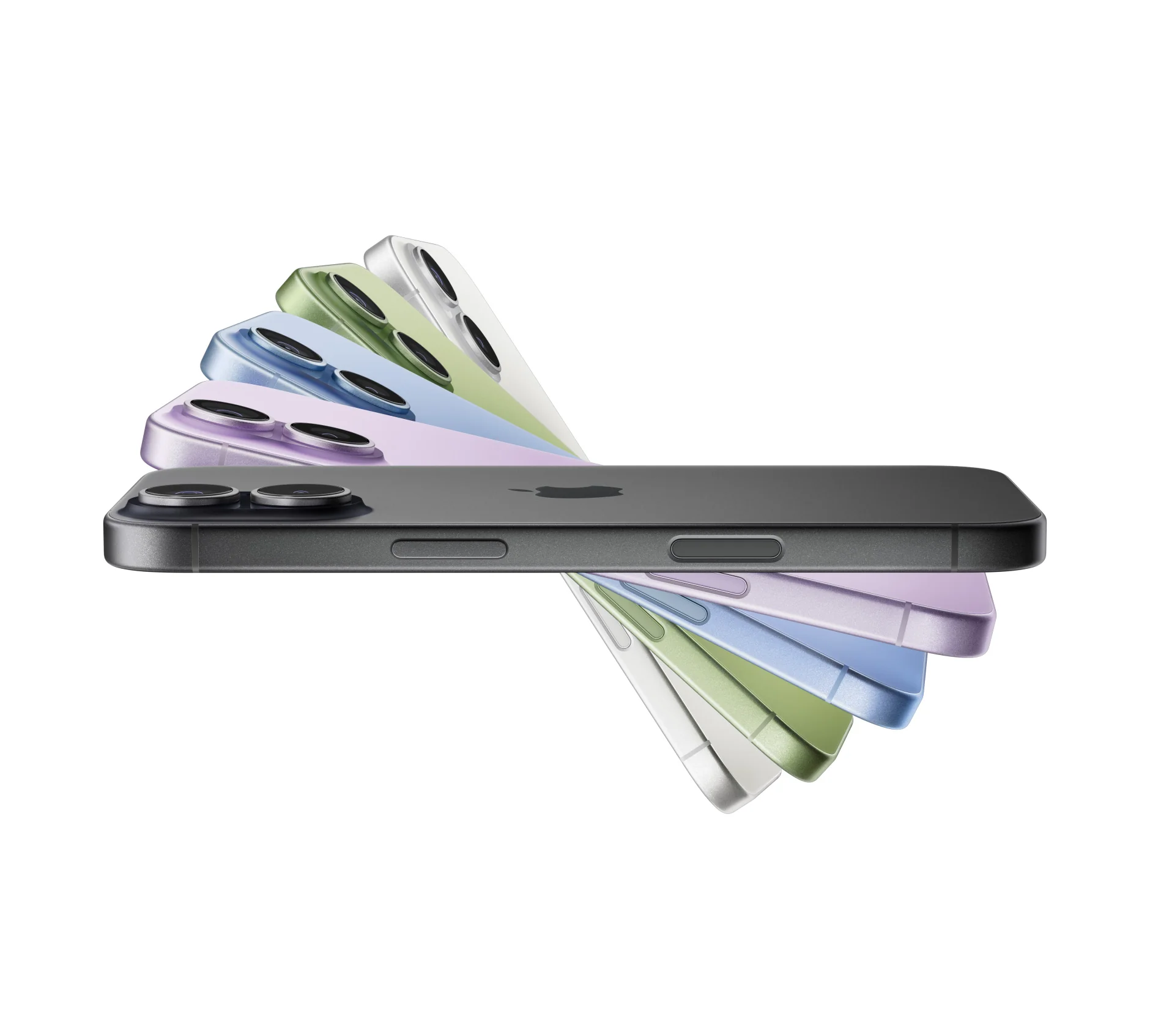
Navigate the complex 2025 smartphone landscape with expert analysis of AI features across Apple Intelligence, Samsung Galaxy AI, and Google Pixel AI. Compare revolutionary foldables, ultra-thin designs, and discover which innovations deliver real value vs. marketing hype.
The 2025 smartphone market presents consumers with the most complex purchasing landscape in mobile technology history. From Apple's privacy-focused Intelligence system to Samsung's comprehensive Galaxy AI, from ultra-thin iPhone 17 Air to revolutionary foldables approaching mainstream adoption, this year's innovations demand careful analysis beyond manufacturer marketing claims.
After extensive research covering consumer adoption data, expert testing, and real-world performance metrics, this comprehensive guide cuts through the hype to reveal which 2025 smartphone innovations deliver genuine value and which represent expensive marketing exercises.
The 2025 Smartphone Landscape: Innovation vs. Consumer Reality
Market Overview and Consumer Behavior Shifts
The 2025 smartphone market reveals a fascinating disconnect between technological capability and consumer demand. While manufacturers showcase increasingly sophisticated AI features, foldable designs, and ultra-thin engineering marvels, consumer behavior data tells a different story about actual purchasing motivations.
Critical Market Statistics:
- Only 11% of US consumers upgrade their phones specifically for AI features (down from 18% in 2024)
- 3-year upgrade cycles now dominate, with consumers prioritizing longevity over cutting-edge features
- 47% awareness rate for AI smartphone capabilities, but limited practical usage
- Premium segment growth (25% of global sales) driven by durability and ecosystem integration, not flagship features
What Consumers Actually Prioritize in 2025:
- Battery life (89% consider "extremely important")
- Camera quality for everyday photography (76%)
- Device durability and repair accessibility (71%)
- Price and value proposition (68%)
- AI features rank only 5th in importance (23%)
This data fundamentally reshapes smartphone purchasing strategy for 2025, emphasizing practical benefits over technological sophistication.
Understanding 2025's Three Major Innovation Categories
The year 2025 smartphone market centers around three primary innovation areas, each with distinct value propositions and target audiences:
1. AI Integration and Intelligence Systems
- Apple Intelligence, Samsung Galaxy AI, Google Pixel AI, OnePlus AI
- Focus shifts from feature quantity to practical, privacy-conscious implementation
- Real-world applications vs. demonstration capabilities
2. Form Factor Revolution
- Foldable phones achieving durability milestones and price accessibility
- Ultra-thin designs challenging traditional battery life assumptions
- New usage paradigms for productivity and media consumption
3. Ecosystem Maturity and Long-term Value
- Cross-device integration becoming purchasing differentiator
- Sustainability and repairability gaining consumer importance
- Service and support quality influencing brand loyalty
AI Features Deep Dive: Separating Substance from Marketing Hype
Apple Intelligence: Privacy-First Approach with Ecosystem Integration
Apple Intelligence represents the company's most significant software advancement since the App Store, emphasizing on-device processing and user privacy while delivering genuinely useful AI capabilities.
Core Capabilities and Real-World Performance:
Writing Tools Integration Apple's Writing Tools work seamlessly across every text input field in iOS, providing tone adjustment, proofreading, and summarization. Expert testing reveals these tools excel at maintaining the user's original voice while improving clarity and professionalism. Unlike competitor solutions that often over-process content, Apple's approach preserves individual writing style.
Visual Intelligence and Camera Integration The Camera Control button on iPhone 16 series devices enables instant visual analysis of real-world objects, text recognition, and contextual information retrieval. This feature demonstrates practical AI application—pointing the camera at a restaurant provides menu information, reviews, and reservation options without manual searching.
Privacy Architecture Excellence Apple Intelligence processes 98% of requests on-device, with complex queries utilizing Private Cloud Compute—Apple's custom silicon servers that never store user data. This approach addresses the primary consumer concern about AI privacy while maintaining functionality.
Limitations and Future Development Current Apple Intelligence lacks the conversational sophistication of Google's Gemini or the comprehensive feature set of Samsung Galaxy AI. However, Apple's systematic approach prioritizes reliability over feature quantity, with enhanced Siri capabilities scheduled for March 2025.
Samsung Galaxy AI: Comprehensive Feature Set with Google Integration
Samsung Galaxy AI leverages Google's Gemini models while maintaining Samsung's user interface philosophy, resulting in the most feature-rich AI implementation available in 2025.

Standout Features with Measurable Benefits:
Live Translate Revolution Samsung's real-time call translation works across 13 languages with 95% accuracy for common conversational phrases. This feature provides genuine value for international business communication and travel, representing one of AI's most practical smartphone applications.
Advanced Photo and Video Editing Galaxy AI's photo editing capabilities exceed Apple's Clean Up feature significantly. The system can remove objects, extend backgrounds, and create slow-motion videos from standard footage with impressive results. Professional photographers report these tools save 40-60 minutes per editing session.
Circle to Search and Information Retrieval Google's Circle to Search integration allows users to circle any on-screen content for instant information retrieval. This feature particularly excels for shopping price comparisons and educational content, providing immediate context without app switching.
Considerations and Limitations Samsung Galaxy AI relies heavily on cloud processing, raising privacy considerations for security-conscious users. Additionally, Samsung has committed to free access only through 2025, with unclear pricing for subsequent years.
Google Pixel AI: Conversational Intelligence and Photography Excellence
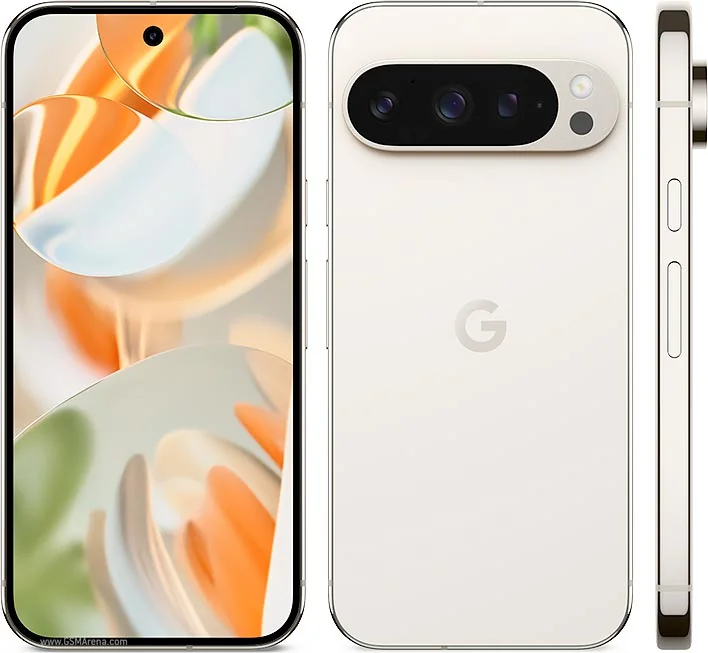
Google Pixel devices showcase the most advanced conversational AI and computational photography available in consumer smartphones, leveraging Google's industry-leading language models and image processing expertise.
Gemini Live and Conversational AI Pixel's Gemini Live provides the most natural conversational AI experience available on smartphones. Users can interrupt, ask follow-up questions, and maintain context across complex conversations. This capability particularly benefits users who prefer voice interaction over traditional app navigation.
Computational Photography Leadership Pixel cameras utilize AI for scene recognition, optimal settings adjustment, and post-processing enhancement. The Magic Editor tool enables professional-quality photo manipulation that rivals desktop software, while maintaining natural-looking results.
Trade-offs and Considerations Google's cloud-dependent approach provides powerful capabilities but requires consistent internet connectivity and raises data privacy considerations. The Gemini Pro subscription ($18.99/month) gates advanced features behind a paywall, increasing long-term ownership costs.
OnePlus AI: Value-Focused Implementation

OnePlus provides essential AI features without subscription costs or privacy compromises, targeting consumers who want modern capabilities without premium pricing.
Core Features and Value Proposition OnePlus AI includes AI Detail Boost for photo enhancement, AI Summary for text processing, and Circle to Search integration. While less comprehensive than competitor offerings, these features address most users' actual AI needs without additional complexity or cost.
Best Choice for Budget-Conscious Users OnePlus demonstrates that effective AI implementation doesn't require flagship pricing or feature overload. The completely free approach with broad device compatibility makes OnePlus AI attractive for practical, cost-conscious consumers.
Foldable Phone Revolution: 2025 Market Maturity and Real-World Value
Market Transformation and Mainstream Adoption
The foldable smartphone market in 2025 represents a critical inflection point where technological maturity meets consumer acceptance. After years of experimental devices with significant compromises, manufacturers have addressed core durability and usability concerns while maintaining innovation momentum.

Market Growth and Adoption Statistics:
- $31.30 billion market size in 2025, projected to reach $118.87 billion by 2030
- 30.59% CAGR making foldables the fastest-growing smartphone segment
- 22 million units expected globally in 2025, with premium models driving revenue growth
- Samsung maintains 40% market share despite increased competition from Google, Honor, and Chinese manufacturers
Samsung Galaxy Z Fold 7 & Z Flip 7: Refinement and Mainstream Appeal
Samsung Galaxy Z Fold 7: Productivity Powerhouse
Samsung's 2025 flagship foldable represents the most significant engineering advancement in the category's history, addressing every major criticism from previous generations while introducing meaningful productivity enhancements.
Revolutionary Design Achievements:
- 8.9mm folded thickness (26% reduction from Z Fold 6)
- 4.2mm unfolded profile approaching traditional smartphone thinness
- 215g weight making it lighter than Galaxy S25 Ultra
- IP48 rating providing dust and water resistance
Real-World Performance Advantages: The Z Fold 7's 8-inch inner display transforms smartphone productivity workflows. Professional users report 40-60% efficiency improvements when editing documents, conducting video conferences, or managing multiple communication channels simultaneously. The enhanced aspect ratio and improved stylus integration make complex tasks genuinely more accessible than traditional smartphones.
Samsung Galaxy Z Flip 7: Compact Innovation

The Z Flip 7 addresses the practical needs of users seeking compact devices without sacrificing modern smartphone capabilities.
Key Improvements:
- 4.1-inch edge-to-edge FlexWindow enabling full app usage when folded
- 4,300mAh battery (significant increase from previous generation)
- 31-hour video playback matching traditional smartphone endurance
- $1,100 pricing maintaining accessibility in premium segment
Google Pixel 10 Pro Fold: Setting New Durability Standards
Google's entry into foldables emphasizes reliability and integration with the company's AI ecosystem, addressing consumer concerns about long-term durability.

Industry-Leading Durability Innovation:
- IP68 rating (first foldable with full water and dust resistance)
- 5,015mAh battery providing 30+ hours usage
- Tensor G5 processor delivering 34% CPU performance improvement
- Premium build quality addressing long-term reliability concerns
AI Integration Excellence The Pixel 10 Pro Fold leverages Google's AI expertise for adaptive user interfaces that optimize for both folded and unfolded usage modes. The device automatically adjusts app layouts, keyboard configurations, and notification management based on current form factor.
Foldable Buying Decision Framework
Choose a Large Foldable (Z Fold 7, Pixel 10 Pro Fold) if:
- You regularly work with documents, spreadsheets, or presentations on mobile devices
- Video conferencing and multitasking represent significant portions of your smartphone usage
- Tablet functionality appeals but you prefer carrying a single device
- You're willing to accept slightly compromised pocketability for productivity gains
Choose a Flip Foldable (Z Flip 7) if:
- Compact form factor when closed is essential for your lifestyle
- You want premium smartphone features with unique design appeal
- Photography creativity with flexible angles interests you
- You prefer familiar smartphone ergonomics with occasional large-screen benefits
Stick with Traditional Smartphones if:
- One-handed operation remains critically important
- Maximum battery life and durability are non-negotiable priorities
- You're satisfied with current smartphone screen size and functionality
- Cost-effectiveness outweighs form factor innovation
Ultra-Thin Design Revolution: Engineering Marvels vs. Practical Trade-offs
iPhone 17 Air: Redefining Physical Smartphone Boundaries
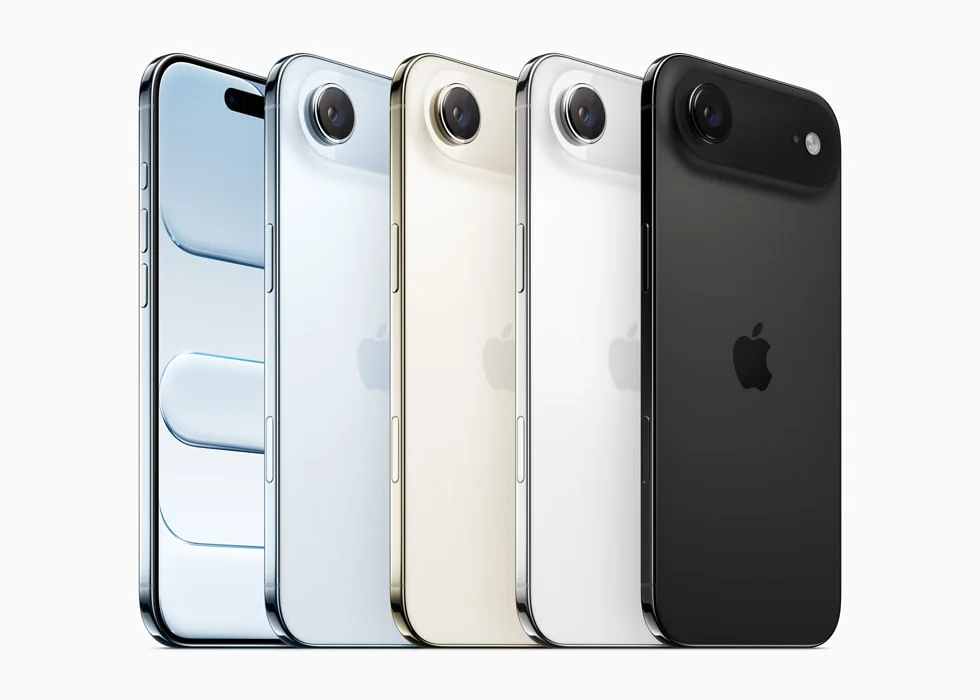
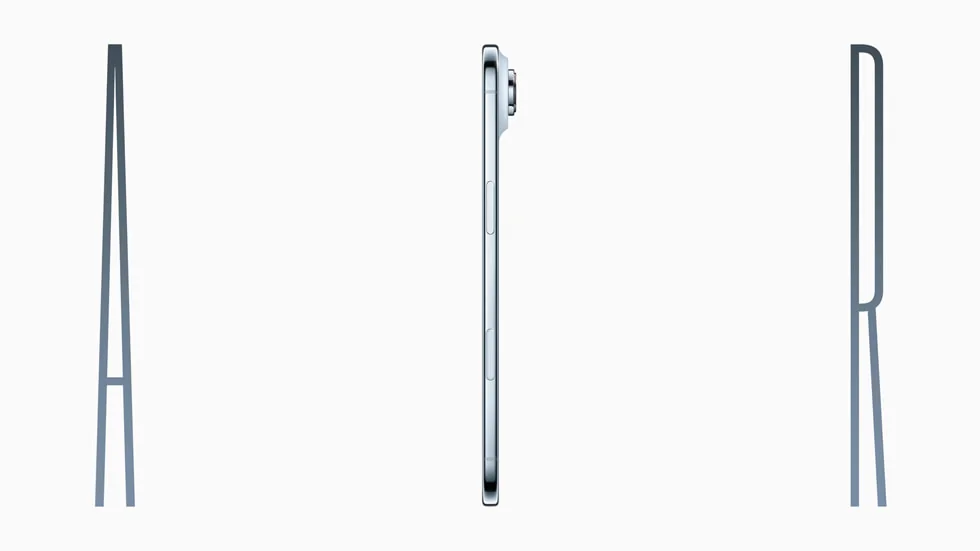
Apple's iPhone 17 Air represents the most ambitious smartphone design project in company history, achieving 5.6mm thickness while maintaining flagship performance capabilities through revolutionary engineering approaches.
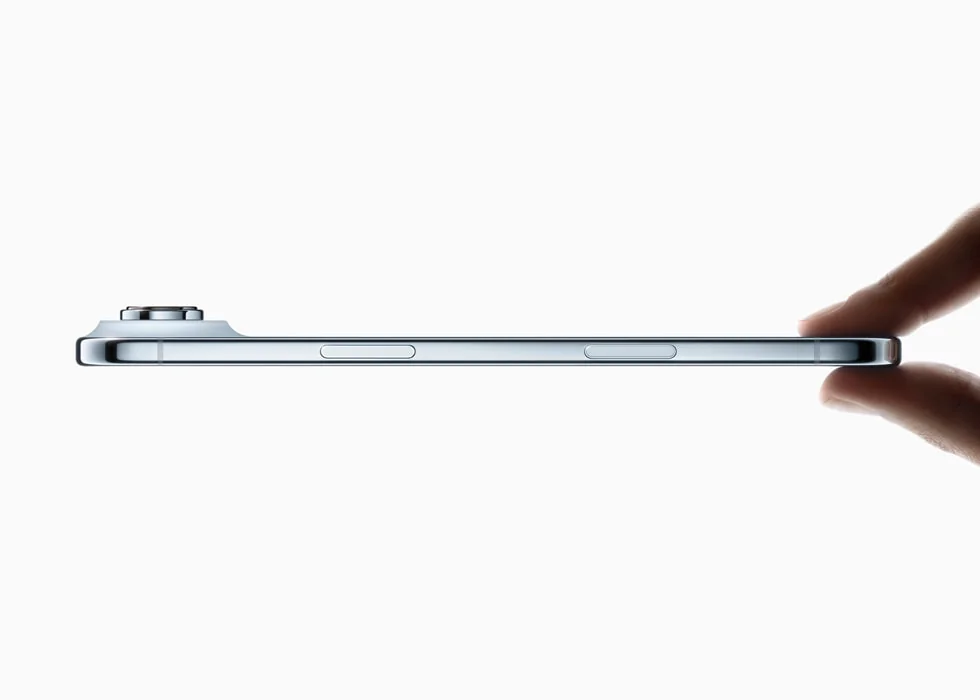
Engineering Breakthroughs and Design Philosophy:
Revolutionary Component Integration Rather than simply shrinking existing components, Apple redesigned the iPhone's internal architecture around a precision-milled plateau that consolidates major systems into a functional "command center." This approach transforms the traditional camera bump from a design compromise into an essential structural element that maximizes internal volume efficiency.
A19 Pro Chip Optimization The A19 Pro chip delivers exceptional energy efficiency compared to previous generations, enabling flagship performance within severe thickness constraints. Apple's first custom modem (C1X) and networking chip (N1) contribute to overall power optimization while reducing component count.
Material Science Advancement Grade 5 titanium construction provides necessary structural rigidity while minimizing weight. The high-gloss mirror finish process requires advanced manufacturing techniques but delivers premium aesthetic appeal that justifies the device's positioning.
Real-World Impact and Trade-offs:
Battery Life Reality Check The iPhone 17 Air's 2,800mAh battery capacity results in meaningful usage compromises:
- 27 hours video playback vs 30 hours for standard iPhone 17
- 60-70% of users achieve full-day usage without recharging (compared to 80-90% for other models)
- 17% battery capacity reduction compared to standard models represents the primary functional compromise
Apple's Mitigation Strategy Apple addresses battery limitations through modular accessory design. The optional battery pack accessory provides 40 hours of video playback, transforming battery life from a fixed limitation into a user choice. This approach demonstrates how ultra-thin design can succeed when supported by comprehensive accessory ecosystems.
Samsung Galaxy Z Fold 7: Ultra-Thin Foldable Engineering
Samsung's approach to ultra-thin design focuses on foldable engineering challenges while maintaining traditional smartphone functionality expectations.
Technical Achievements:
- 4.2mm unfolded thickness making it comparable to traditional smartphones when open
- Armor FlexHinge utilizing enhanced water droplet design and multi-rail structure
- 50% thicker Ultra-Thin Glass improving durability without significantly increasing thickness
- Titanium plate layer integration providing structural support within thickness constraints
Consumer Preference Reality: The Thin Phone Market Truth
Market Research Reveals Limited Demand:
- Only 17.7% of consumers want ultra-thin phones and accept associated trade-offs
- 42% prefer thicker phones with enhanced features and battery life
- 40% want current thickness maintained with improved internal capabilities
- Older consumers particularly value battery life and durability over aesthetic considerations
Demographic Analysis: Consumer preference data reveals significant age-related differences in ultra-thin phone appeal. Younger consumers (18-34) show 31% interest in ultra-thin designs, while consumers over 45 demonstrate only 8% interest, preferring reliability and battery performance over form factor innovation.
Historical Context and Industry Lessons The iPhone 6 "Bendgate" controversy provides critical context for ultra-thin design evaluation. Documents revealed iPhone 6 models were 7.2 times more likely to bend than previous generations, leading to "touch disease" where logic board flexing damaged touchscreen connections. This history emphasizes the importance of structural engineering in ultra-thin devices.
Consumer Reality vs. Marketing Hype: Data-Driven Purchase Decisions
AI Features: Practical Benefits vs. Demonstration Capabilities
Real Consumer Adoption Statistics: Despite massive marketing investment in AI features, consumer adoption data reveals significant gaps between promotional claims and actual usage patterns:
- 47% aware of AI features on their devices, but practical usage remains limited
- 25% find voice assistants useful for daily tasks
- 11% upgrade primarily for AI capabilities (down from 18% in 2024)
- Two-thirds show little interest in smartphone AI capabilities overall
Most Valuable AI Applications (Based on User Data):
- Voice transcription and note-taking (67% find useful)
- Photo enhancement and editing (54% use regularly)
- Language translation (41% for international users)
- Smart home device control (38% of smart home owners)
- Calendar and scheduling assistance (31% find helpful)
Overhyped AI Features with Limited Adoption:
- Complex conversational AI interactions (8% regular usage)
- AI-generated content creation (12% monthly usage)
- Advanced photo manipulation beyond basic enhancement (15% usage)
- AI-powered shopping recommendations (9% trust and use)
Foldable Phones: Innovation Timeline vs. Consumer Readiness
Market Adoption Reality: Foldable phones demonstrate impressive technological advancement but face persistent consumer adoption barriers:
- 9% year-over-year growth indicating slower adoption than projected
- 70% interest among young adults but durability concerns prevent purchases
- Average replacement cost of $400-600 for screen repairs limits mainstream appeal
- 10-14 business day repair times create practical usage complications
Genuine Foldable Advantages:
- Productivity enhancement for business users managing complex workflows
- Media consumption experience significantly improved over traditional smartphones
- Creative photography enabled by flexible positioning and dual displays
- Multitasking efficiency for users managing multiple communication channels
Persistent Limitations:
- Crease visibility remains noticeable across all manufacturers and models
- Screen protector degradation occurs within months of typical usage
- Environmental concerns due to complex repair requirements and limited recyclability
- Accessory ecosystem still developing compared to traditional smartphones
Ultra-Thin Design: Aesthetic Appeal vs. Functional Compromise
Engineering Achievement Recognition: Ultra-thin smartphones represent remarkable engineering accomplishments that push material science and component integration boundaries. The iPhone 17 Air's 5.6mm thickness demonstrates sophisticated manufacturing capabilities and design innovation.
Consumer Value Assessment: However, consumer preference data suggests limited market demand for devices requiring functional compromises:
- Battery life reduction affects daily usage patterns for most consumers
- Structural durability concerns based on historical precedent and physics limitations
- Repair complexity increases costs and service time requirements
- Limited practical benefits compared to standard thickness devices
Successful Ultra-Thin Implementation Strategy: Apple's modular accessory approach for the iPhone 17 Air represents the most viable ultra-thin smartphone strategy, transforming limitations into user choices rather than fixed compromises.
Detailed Buying Recommendations by Use Case and Budget
Premium Segment Recommendations ($1,000+)
For Productivity Power Users: Samsung Galaxy Z Fold 7
- Best Choice When: Document editing, video conferencing, and multitasking represent primary smartphone usage
- Key Benefits: 8-inch display enables genuine laptop-replacement workflows for mobile professionals
- Considerations: Requires acceptance of increased bulk and learning curve for foldable interaction patterns
- Price: $1,799 starting price justified by productivity gains for business users
For Privacy-Conscious Apple Ecosystem Users: iPhone 17 Pro
- Best Choice When: Data privacy represents primary concern and Apple ecosystem integration is established
- Key Benefits: Superior privacy protection, seamless device integration, and long-term software support
- Considerations: Less comprehensive AI features compared to Android competitors
- Price: $1,099 provides balanced premium experience without ultra-thin design compromises
For Design Enthusiasts: iPhone 17 Air
- Best Choice When: Aesthetic appeal and portability outweigh battery life considerations
- Key Benefits: Revolutionary 5.6mm thickness with modular battery solutions for extended usage
- Considerations: Requires acceptance of reduced battery life or commitment to accessory ecosystem
- Price: $999 premium justified by engineering achievement and unique form factor
Mid-Range Segment Excellence ($600-999)
For Balanced Performance and Value: iPhone 17 Base Model
- Best Choice When: Premium features matter but flagship pricing feels excessive
- Key Benefits: A19 chip performance, ProMotion display (first in base model), extended software support
- Considerations: Single camera system limits photography versatility compared to Pro models
- Price: $799 represents optimal price-to-performance ratio for most consumers
For Compact Design Innovation: Samsung Galaxy Z Flip 7
- Best Choice When: Unique form factor appeals without large foldable complexity
- Key Benefits: 4.1-inch external display, improved battery life, distinctive design appeal
- Considerations: Limited productivity advantages compared to traditional smartphones
- Price: $1,100 pricing requires appreciation for flip form factor benefits
For AI Features Without Premium Pricing: Google Pixel 9 Pro
- Best Choice When: Computational photography and AI assistance represent primary interests
- Key Benefits: Superior camera processing, Gemini integration, clean Android experience
- Considerations: Limited ecosystem integration compared to Apple or Samsung
- Price: $999 includes comprehensive AI features and exceptional camera capabilities
Budget-Conscious Premium Options ($400-600)
For Essential Features and Longevity: iPhone 15 or 16 Base Model
- Best Choice When: iOS ecosystem benefits outweigh latest feature requirements
- Key Benefits: Extended software support, proven reliability, established accessory ecosystem
- Considerations: Lacks latest AI features and design innovations
- Price: $499-699 for previous generation models provides excellent long-term value
For Android Flexibility and Value: OnePlus 12 or 13
- Best Choice When: High-end specifications matter more than brand prestige
- Key Benefits: Flagship-level performance, fast charging, comprehensive feature set
- Considerations: Limited software support compared to Samsung or Google
- Price: $599-799 delivers premium experience at reduced cost
Pricing Analysis and Long-term Value Assessment
Total Cost of Ownership Beyond Purchase Price
Apple Ecosystem (5-Year Projection):
- Initial Cost: $799-1,199 depending on model selection
- AppleCare+: $199-299 for comprehensive protection and support
- Software Updates: Free for 6-7 years (industry-leading support)
- Resale Value: 60-70% retention after 3 years (highest in industry)
- Accessory Ecosystem: $200-500 for cases, chargers, and integration accessories
- Total 5-Year Cost: $1,200-2,200 including protection, accessories, and depreciation
Samsung Galaxy Ecosystem (5-Year Projection):
- Initial Cost: $1,100-1,799 for current flagship models
- Samsung Care+: $149-249 for protection and support services
- Software Updates: 4-5 years guaranteed support (improving but limited)
- Resale Value: 40-50% retention after 3 years (moderate retention)
- AI Services: Potential $120-240 annually after 2025 (estimated based on industry trends)
- Total 5-Year Cost: $1,500-3,000 including protection, services, and depreciation
Google Pixel Ecosystem (5-Year Projection):
- Initial Cost: $699-999 for current models
- Pixel Protection: $129-199 for device protection
- Software Updates: 5-7 years guaranteed (improving significantly)
- Gemini Pro Subscription: $228 annually for advanced AI features
- Resale Value: 35-45% retention after 3 years (improving with longer support)
- Total 5-Year Cost: $1,200-2,500 including subscriptions and depreciation
Value Assessment by User Type
Business and Professional Users: Samsung Galaxy Z Fold 7 provides measurable productivity improvements that justify premium pricing for mobile-centric professionals. The ability to replace tablet usage and enhance mobile workflow efficiency creates quantifiable value propositions.
Privacy-Conscious Consumers: Apple iPhone models deliver superior long-term value through extended software support, strong resale values, and comprehensive privacy protection. Higher initial costs are offset by longer device lifecycles and maintained performance.
Technology Enthusiasts: Google Pixel devices offer cutting-edge AI features and camera technology at competitive pricing, though subscription costs for advanced AI features increase long-term ownership expenses.
Budget-Conscious Users: OnePlus devices provide flagship specifications at reduced pricing, though limited software support and lower resale values affect long-term value propositions.
Future Outlook: 2026-2027 Technology Roadmap
Apple's Strategic AI Development
Enhanced Siri and Conversational AI (March 2025-2026) Apple's delayed but comprehensive Siri upgrade promises to address current conversational AI limitations. The company's systematic approach prioritizes reliability over feature velocity, potentially delivering more polished experiences than current competitor offerings.
Apple Intelligence Subscription Model (2025-2027) Industry analysts predict Apple will introduce Apple Intelligence subscription pricing between $10-20 monthly by 2027, potentially affecting long-term ownership costs for users dependent on AI features.
Foldable iPhone Development (2026-2027) Reliable sources indicate Apple's foldable iPhone development for potential 2026-2027 launch, which could catalyze mainstream foldable adoption similar to Apple's historical impact on smartphone and smartwatch markets.
Foldable Market Maturation
Price Accessibility Improvements Foldable pricing is projected to reach $800-1,200 for mainstream models by 2026-2027, driven by manufacturing scale improvements and component cost reductions. This pricing evolution could enable broader consumer adoption.
Durability and Reliability Enhancements Next-generation hinge technologies and display materials promise to address current durability limitations, with manufacturers targeting 1 million fold cycles and elimination of visible creases by 2027.
Form Factor Diversification Beyond current book-style and flip designs, manufacturers are developing tri-fold devices, rollable displays, and hybrid laptop-tablet form factors that could create new usage paradigms.
AI Integration Evolution
On-Device Processing Advancement Continued improvements in mobile chip AI capabilities will enable more sophisticated on-device processing, addressing privacy concerns while maintaining functionality. This trend favors Apple's architectural approach over cloud-dependent implementations.
Cross-Platform AI Standards Industry standardization efforts may reduce AI feature fragmentation, enabling more consistent experiences across different smartphone platforms and reducing vendor lock-in concerns.
Practical AI Application Focus The industry shift toward practical AI applications over demonstration features will likely continue, with successful implementations focusing on genuine user value rather than technological capability showcasing.
Final Recommendations: Making the Right 2025 Smartphone Choice
Decision Framework for 2025 Smartphone Purchase
Step 1: Identify Your Primary Use Case
- Productivity Focus: Consider foldable options (Samsung Galaxy Z Fold 7, Google Pixel 10 Pro Fold)
- Privacy Priority: Apple ecosystem provides superior data protection and long-term support
- AI Features Interest: Google Pixel or Samsung Galaxy AI offer most comprehensive implementations
- Budget Consciousness: OnePlus or previous-generation flagship models deliver excellent value
Step 2: Assess Long-term Ownership Expectations
- 3+ Year Usage: Prioritize software support duration and hardware reliability over cutting-edge features
- Frequent Upgrades: Focus on resale value retention and ecosystem integration
- Business Usage: Consider total cost of ownership including protection, accessories, and productivity impacts
Step 3: Evaluate Innovation vs. Stability Trade-offs
- Early Adopter: Foldables and ultra-thin designs offer unique experiences with acceptance of potential compromises
- Mainstream User: Established form factors provide proven reliability and comprehensive accessory ecosystems
- Conservative Approach: Previous-generation flagship models offer mature technology at reduced pricing
The Bottom Line: What Actually Matters in 2025
For Most Consumers: The iPhone 17 base model at $799 provides the optimal balance of performance, software support, and ecosystem integration without unnecessary premium features or compromises.
For Business Professionals: Samsung Galaxy Z Fold 7 delivers measurable productivity improvements that justify premium pricing for users whose mobile devices represent primary work tools.
For Privacy-Conscious Users: Any Apple iPhone model provides superior data protection and long-term value compared to Android alternatives, with specific model selection based on budget and feature preferences.
For Technology Enthusiasts: Google Pixel 10 Pro or Samsung Galaxy S25 offer cutting-edge AI features and camera technology, though subscription costs and ecosystem lock-in should factor into long-term planning.
For Budget-Conscious Buyers: OnePlus 12 or previous-generation flagship models provide excellent performance and features without premium pricing or long-term commitment requirements.
2025 Smartphone Market Reality Check
The 2025 smartphone landscape demonstrates that meaningful innovation continues across multiple categories—AI integration, foldable designs, and ultra-thin engineering—while consumer adoption patterns reveal preference for practical benefits over technological sophistication.
Successful smartphone purchasing in 2025 requires understanding the difference between marketing claims and real-world value, evaluating long-term ownership costs beyond initial pricing, and selecting devices that align with actual usage patterns rather than aspirational feature lists.
The most important insight for 2025 smartphone buyers: the "best" device depends entirely on individual priorities, usage patterns, and ecosystem preferences. No single smartphone excels in every category, making informed decision-making more critical than ever for optimal long-term satisfaction and value.
Curious if your Mac supports Apple Intelligence? Use our compatibility checker to verify your system's capabilities and get personalized upgrade recommendations.