5.6mm Ultra-Thin Revolution! iPhone 17 Air Ushers in New Era of Mobile Devices
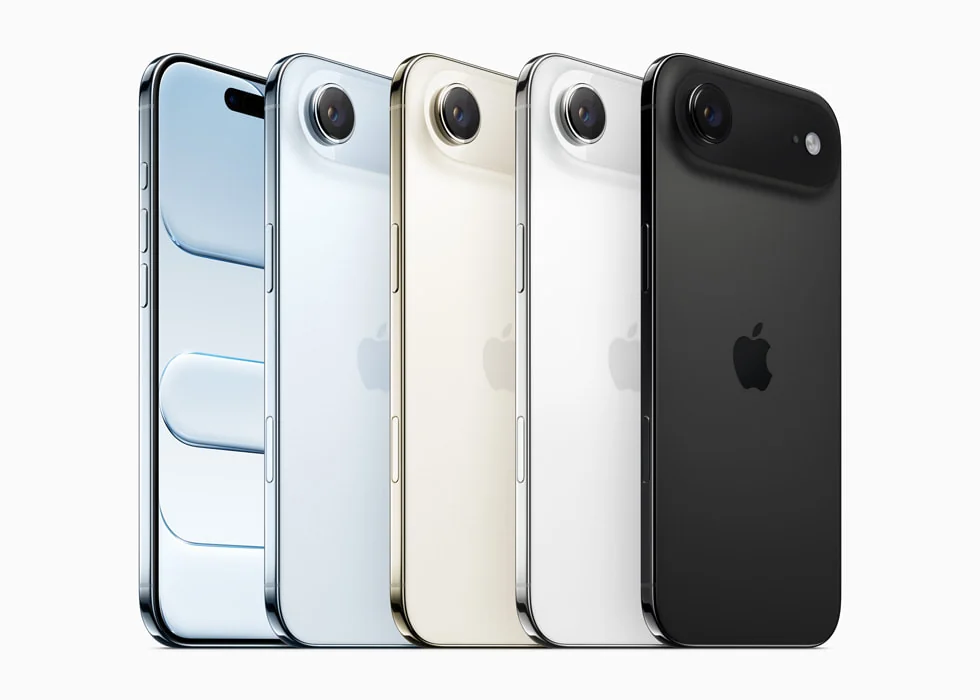
In-depth analysis of how iPhone 17 Air redefines smartphones with its 5.6mm ultra-thin design, detailed comparison with competitor thickness, decryption of A19 Pro chip technology, and comprehensive evaluation of the revolutionary breakthrough of the thinnest iPhone ever.
Apple's spectacular unveiling of the iPhone 17 Air at the Fall 2025 event has redefined smartphone design limits with its stunning 5.6mm thickness. This device is not only the thinnest smartphone in active service, but also represents Apple's major breakthrough in industrial design and engineering technology. Through in-depth technical analysis and comprehensive market comparison, we discover that iPhone 17 Air is pioneering an entirely new era of mobile devices.
iPhone 17 Air: A Technical Marvel of Ultra-Thin Design
Breakthrough 5.6mm Thickness
The 5.6mm thickness of iPhone 17 Air is not merely a numerical breakthrough—it represents a new pinnacle in modern smartphone engineering design. Compared to the iPhone 16's 7.8mm, this device achieves an astonishing 28% thickness reduction while maintaining flagship-level performance at a lightweight 165 grams.
Thickness Comparison Overview:
- iPhone 17 Air: 5.6mm (thinnest in active service)
- iPhone 16: 7.8mm
- Galaxy S25 Edge: 5.8mm
- iPhone 6: 6.9mm (previous thinnest iPhone record)
This breakthrough makes iPhone 17 Air the thinnest smartphone Apple has produced since the iPhone 6 in 2014, and currently the only device in the market maintaining A19 Pro chip performance at 5.6mm thickness.
A19 Pro Chip: Performance Beast in Ultra-Thin Body
Despite its ultra-thin body, iPhone 17 Air still packs the powerful A19 Pro chip—another technical feat from Apple's engineering team.
A19 Pro Core Technical Specifications:
- 6-core CPU architecture, 40% performance improvement over iPhone 14 Pro
- Advanced GPU design supporting ray tracing and high frame rate gaming
- 8GB unified memory ensuring smooth multitasking
- Advanced 5nm+ process with 30% improved energy efficiency
Through chip-level energy optimization, iPhone 17 Air achieves all-day battery life despite ultra-thin design constraints, with up to 27 hours of video playback proving Apple's innovative breakthrough in battery technology and power management.
Material Revolution: Grade 5 Titanium Alloy Breakthrough
Aerospace-Grade Titanium Body
iPhone 17 Air employs a Grade 5 titanium frame typically used in aerospace applications, featuring exceptional strength-to-weight ratio. Apple engineers achieved unprecedented thinness while ensuring structural strength through precision machining technology.
Material Technology Highlights:
- High-Strength Titanium Alloy: 40% stronger than traditional aluminum alloy
- 80% Recycled Materials: Demonstrating Apple's environmental commitment
- Laser Welding Process: First application of vapor chamber laser welding technology
- Ceramic Shield 2: 3x improved scratch resistance for front cover
Revolutionary Internal Architecture Design
To achieve the ultimate 5.6mm thickness, Apple completely redesigned iPhone's internal architecture:
Design Innovation Points:
- Monolithic Motherboard Design: Maximizing battery space utilization
- 3D Stacking Technology: Vertical integration of key components
- Precision Step Machining: Dual-side milling on the back to accommodate camera and chip
- Integrated Antenna Design: Reducing internal space occupancy
Competitor Thickness Comparison: iPhone 17 Air's Market Leadership
2025 Flagship Phone Thickness Rankings
Through comprehensive market research, we find iPhone 17 Air occupies absolute leadership in 2025 flagship phone thickness competition:
Current Smartphone Thickness Rankings:
- iPhone 17 Air: 5.6mm - Thinnest in active service
- Galaxy S25 Edge: 5.8mm - Samsung's thinnest design
- iPhone 15/16: 7.8mm
- Xiaomi 15: 8.08mm - One of the thinnest Android flagships
- Pixel 9: 8.5mm
- OnePlus 13: 8.5mm
Historical Significance of the Breakthrough
While iPhone 17 Air's 5.6mm doesn't break the 2014 Vivo X5 Max's 4.75mm historical record, as the thinnest mainstream flagship in active service, its technical significance is far more profound:
Historical Comparison Analysis:
- Vivo X5 Max (4.75mm): Sacrificed battery capacity (only 2000mAh)
- iPhone 17 Air (5.6mm): Maintains 3149mAh battery and 27-hour battery life
- Technical Balance: Perfect balance between ultra-thin design and practical functionality
Perfect Balance of Function and Thinness
Battery Life Technical Breakthrough
The biggest problem with traditional ultra-thin phones is battery life, but iPhone 17 Air successfully solved this challenge through multiple technical innovations:
Battery Optimization Technologies:
- A19 Pro Efficiency: 30% reduction in chip power consumption
- Smart Battery Management: iOS-optimized background app management
- Material Thermal Conductivity: Titanium alloy's excellent heat dissipation
- Charging Technology: 50% charge in 30 minutes fast charging capability
Battery Performance Comparison:
- iPhone 17 Air: 27 hours video playback
- Galaxy S25 Edge: 23 hours video playback
- iPhone 16: 26 hours video playback
Innovative Camera System Design
iPhone 17 Air adopts a single 48MP Fusion camera design, which appears to be a compromise but actually demonstrates Apple's engineering wisdom:
Camera Technology Advantages:
- 48MP Fusion Main Camera: Supports 2x digital zoom
- Computational Photography: A19 Pro's powerful image processing capabilities
- Night Mode: Optimized low-light shooting performance
- 4K Video Recording: Professional-grade video shooting functionality
User Experience: Redefining Portability
Revolutionary Change in Daily Use
iPhone 17 Air's 5.6mm thickness and 165-gram weight bring revolutionary experience changes in daily use:
Portability Enhancement:
- Pocket Friendly: Easily slides into tight jean pockets
- One-Handed Operation: More comfortable grip experience
- Visual Impact: Stunning ultra-thin visual effect
- Fashion Accessory: Perfect match with high-end fashion accessories
Adaptability in Different Use Scenarios
Business Scenarios:
- Discreet elegance in meetings
- Perfect fit in suit pockets
- Professional image enhancement
Casual Entertainment:
- Comfortable grip for extended reading
- Precise control for gaming
- Relaxed video viewing experience
Pricing Strategy and Market Positioning
Price Competitiveness Analysis
iPhone 17 Air's $999 starting price shows strong competitiveness in the ultra-thin phone market:
Price Comparison:
- iPhone 17 Air: $999 (256GB starting)
- Galaxy S25 Edge: $1,349 (256GB)
- iPhone 17 Pro: $1,099 (128GB starting)
- iPhone 17: $799 (128GB starting)
Target User Groups
Core User Profile:
- Design-Sensitive Users: Value product aesthetics and innovative design
- Business Professionals: Need high-quality portable devices
- Apple Ecosystem Users: Already deeply integrated into Apple device ecosystem
- Early Tech Adopters: Willing to pay premium for innovative technology
Purchase Recommendations and Configuration Choices
Users Suitable for iPhone 17 Air
Strongly Recommended:
- Users pursuing ultimate design aesthetics
- Users prioritizing portability over photography needs
- Professionals frequently using business scenarios
- Users who already own other photography devices
Storage Configuration Recommendations
Configuration Selection Guide:
- 256GB Version: Suitable for most users ($999)
- 512GB Version: Heavy photography and video users
- 1024GB Version: Professional users and content creators
Comparison with Other iPhone 17 Series
iPhone 17 Air vs iPhone 17 Pro:
- Choose Air: Prioritize design and portability
- Choose Pro: Need triple camera system and longer battery life
- Price Difference: $100 difference with clear functional trade-offs
Industry Impact and Future Outlook
Impact on Smartphone Industry
iPhone 17 Air's launch will have profound impact on the entire smartphone industry:
Industry Trend Changes:
- Reignited Ultra-Thin Competition: All brands will refocus on thinness design
- Material Technology Advancement: Widespread application of titanium alloy and new materials
- Manufacturing Level Improvement: Industry-wide adoption of precision manufacturing technology
- Design Philosophy Shift: Return to design essence from feature stacking
Future Technology Trend Predictions
Future Technology Trends:
- Solid-State Battery Application: Further thickness reduction possibilities
- Foldable Screen Thinning: Thickness optimization for foldable devices
- Wireless Charging Integration: Balance between charging technology and thin design
- AI Chip Optimization: More efficient processor designs
Environmental Philosophy and Sustainable Development
Green Manufacturing Technology Innovation
While maintaining ultra-thin design, iPhone 17 Air also embodies Apple's environmental commitment:
Environmental Technology Applications:
- 80% Recycled Titanium Materials: Reducing new material mining
- Simplified Packaging: Less packaging material usage
- Manufacturing Process Optimization: Reduced carbon emissions in production
- Recycling Program: Complete device recycling system
Conclusion: Pioneering New Era of Mobile Devices
iPhone 17 Air, with its 5.6mm ultra-thin design, A19 Pro's powerful performance, and titanium alloy material innovation, truly achieves ultimate thinness while maintaining core functionality integrity. This is not merely a product's technical breakthrough, but Apple's declaration of redefining smartphone design philosophy.
Core Value Summary:
- Design Revolution: 5.6mm thickness redefining smartphone thinness standards
- Technical Balance: Maintaining flagship performance in ultra-thin design
- Material Innovation: Application of Grade 5 titanium alloy and advanced manufacturing processes
- User Experience: Perfect combination of portability and functionality
- Market Positioning: New choice for ultra-thin flagship under $999
For users pursuing ultimate design aesthetics, valuing portability, and accepting single camera configuration, iPhone 17 Air is undoubtedly the most worthy smartphone choice in 2025. It not only represents Apple's engineering technology reaching new heights, but also points the way forward for the entire mobile device industry.
In a heavily homogenized smartphone market, iPhone 17 Air proves the infinite possibilities of innovative design with its 5.6mm thickness. This device's success will inspire more brands to rethink the relationship between design and functionality, driving the entire industry toward a more refined and elegant direction.