OLED iMac 2027: Complete Development Guide - Release Date, Features, Specifications & What to Expect
Comprehensive guide to Apple's OLED iMac development. Expert analysis of release timeline (2027-2028), display technology, design changes, price predictions, and whether to wait or buy the M5 iMac. Updated December 2025.
Executive Summary
Apple is actively developing a 24-inch OLED iMac, with panel development expected to be completed between 2027 and 2028, and product launch likely following thereafter. The company has sent Requests for Information (RFI) to both Samsung Display and LG Display, specifying requirements for a 24-inch OLED panel with 600 nits brightness and 218 PPI.
Key Highlights:
- Release Timeline: 2027-2028 (panel development), launch 2028-2029
- Display Size: 24-inch initially, potential for larger sizes later
- Brightness: 600 nits (20% improvement over current 500-nit LCD)
- Technology: OLED with potential ProMotion 120Hz support
- Price: Expected $200-400 premium over comparable LCD models
- Suppliers: Samsung Display and LG Display competing for orders
This comprehensive guide covers everything known about the OLED iMac, from confirmed development details to expert predictions, helping you decide whether to wait or buy the current M5 iMac.
Table of Contents
- Development Status
- Release Timeline
- OLED vs Current LCD Technology
- Expected Screen Sizes
- Design Changes Expected
- M5 and Future Chip Integration
- ProMotion Support
- Price Predictions
- Supply Chain Analysis
- Should You Wait or Buy Now?
- Frequently Asked Questions
- Conclusion
Development Status
Official Development Confirmation
According to South Korean publication The Elec, Apple has officially initiated OLED iMac development by sending Requests for Information to both Samsung Display and LG Display. This marks Apple's first serious foray into OLED technology for desktop computers.

Panel Specifications Requested
| Specification | Details |
|---|---|
| Panel Size | 24 inches (matching current iMac) |
| Brightness | 600 nits (20% improvement over current) |
| Pixel Density | 218 PPI |
| Resolution | 4480 x 2520 pixels |
Technology Challenge
The primary obstacle facing OLED iMac development is display technology maturity:
"RGB OLED technology capable of reliably mass-producing 20- to 30-inch displays has not yet been developed." — Industry Analysis
Apple's preference for RGB OLED—where light and color generate at the subpixel level—presents significant manufacturing challenges at desktop display sizes. This is why the company is exploring alternative technologies from both Samsung and LG.
Release Timeline
Development Timeline
Based on multiple industry reports:
| Phase | Timeline | Status |
|---|---|---|
| RFI to Suppliers | 2025 | Completed |
| Supplier Proposals Due | 2026 | In Progress |
| Panel Development | 2027-2028 | Planned |
| Mass Production | 2028-2029 | Expected |
| Product Launch | 2028-2029 | Projected |
Why So Long?
The extended timeline reflects several factors:
- Technology Maturity: RGB OLED isn't proven at 20-30 inch sizes
- Manufacturing Scale: New fab lines needed for larger panels
- Quality Standards: Apple's stringent requirements
- Burn-in Mitigation: Desktop usage patterns require robust protection
Mac OLED Transition Order
Apple's OLED transition follows a specific progression:
| Product | OLED Status | Timeline |
|---|---|---|
| Apple Watch | Already OLED | Since 2015 |
| iPhone | Already OLED | Since 2017 |
| iPad Pro | Tandem OLED | Since 2024 |
| MacBook Pro | Expected OLED | Late 2026/Early 2027 |
| MacBook Air | Expected OLED | 2027-2028 |
| iMac | In Development | 2027-2028 |
OLED vs Current LCD Technology
Current iMac LCD Specifications
The 2024 iMac features:
| Specification | Details |
|---|---|
| Display Size | 23.5-inch 4.5K Retina |
| Resolution | 4480 x 2520 |
| Pixel Density | 218 PPI |
| Brightness | 500 nits |
| Technology | LED backlit with True Tone |
| Colors | 1 billion colors |
| Color Gamut | P3 wide color |
| Refresh Rate | 60Hz |
OLED Technology Advantages

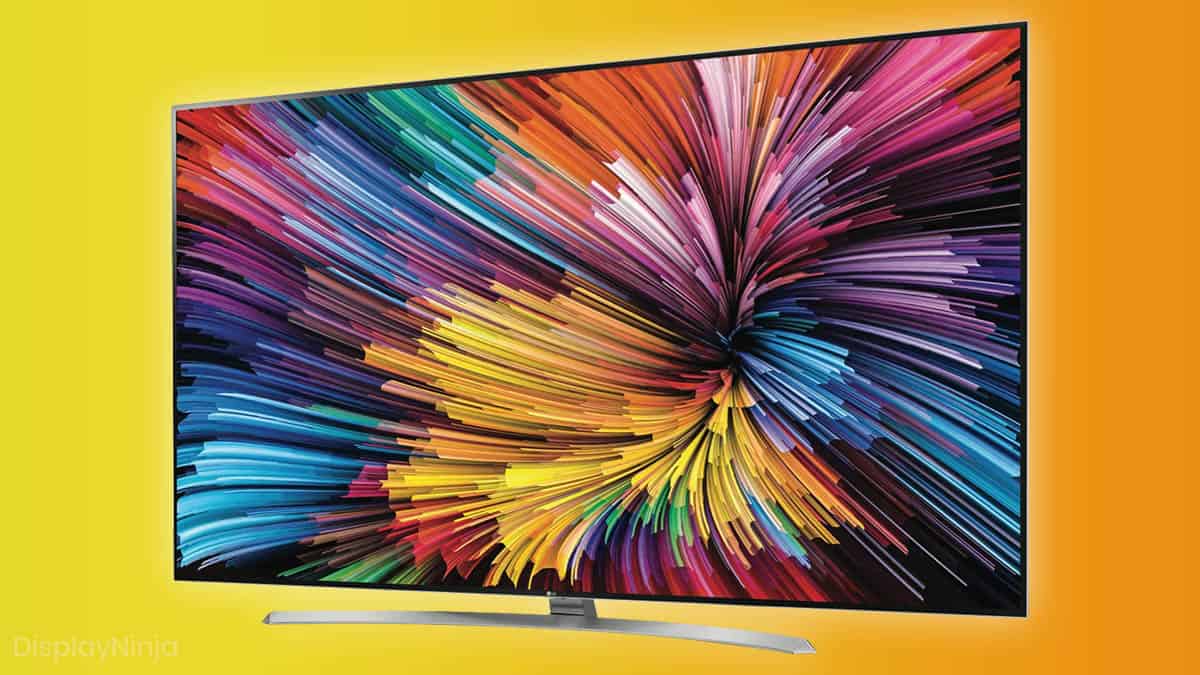
| Feature | LCD (Current) | OLED (Expected) |
|---|---|---|
| Black Levels | Limited (backlight bleed) | True blacks (pixels off) |
| Contrast Ratio | ~1,000:1 typical | Infinite |
| Response Time | 5-10ms | Sub-millisecond |
| Viewing Angles | Color shift at angles | Perfect at all angles |
| Power Efficiency | Constant backlight | Variable (content-dependent) |
| Brightness | 500 nits | 600 nits (expected) |
| Design Flexibility | Thicker profile | Thinner, bezel-free potential |
| HDR Performance | Limited local dimming | Per-pixel HDR |
Why LCD Has Lasted So Long
LCD technology offers advantages that have delayed OLED adoption:
| Advantage | Impact |
|---|---|
| No Burn-in Risk | Static elements (dock, menu bar) display constantly |
| Lower Cost | LCD manufacturing is mature and cost-effective |
| Proven Longevity | 60,000+ hours typical lifespan |
| Higher Sustained Brightness | Better for bright environments |
Burn-in: The Desktop Challenge
Desktop usage patterns create unique burn-in risks:
Static Elements on macOS:
- Menu bar (always visible)
- Dock (often visible)
- Desktop icons
- Window chrome
Modern Burn-in Mitigation:
| Technology | Function |
|---|---|
| Pixel Shifting/Orbiting | Periodically shifts image position |
| Logo Detection | Reduces brightness on static elements |
| Panel Compensation | Adjusts for uneven pixel wear |
| Automatic Pixel Refresh | Runs during sleep/standby |
According to testing by Monitors Unboxed, after a year of worst-case OLED testing, "approximately 87% of surveyed users who've owned OLED devices for over 18 months reported no visible burn-in."
Expected Screen Sizes
24-inch OLED iMac (Confirmed in Development)
The initial OLED iMac will be 24 inches, matching the current consumer model:

Why 24 inches first:
- Software compatibility (same resolution scaling)
- Manufacturing feasibility (smaller panels easier)
- Cost management (smaller OLED = lower production costs)
- Proven form factor acceptance
Larger iMac Possibilities
27-inch Model
According to analyst Ming-Chi Kuo, a 27-inch model has been under consideration:
| Feature | Details |
|---|---|
| Display | 27-inch (matching old iMac Pro size) |
| Technology | Initially mini-LED, later OLED |
| Target | Prosumer market |
32-inch iMac Pro
Rumors suggest a potential 32-inch iMac Pro launching in 2026:
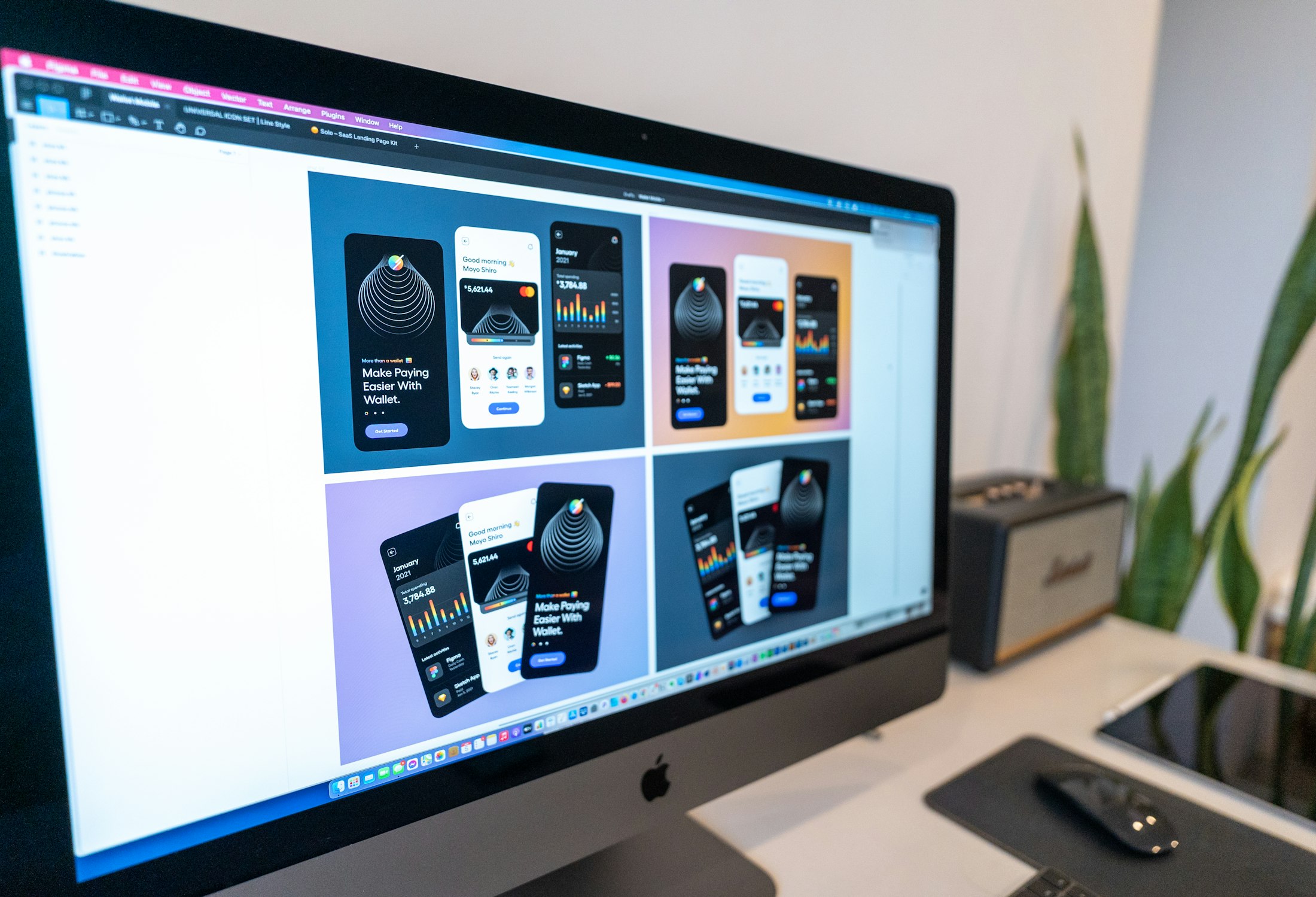
| Feature | Expected Specification |
|---|---|
| Display Size | 32 inches |
| Technology | Mini-LED (initially), OLED later |
| Chip Options | M5 Pro and M5 Max |
| Memory | Up to 128GB unified memory |
| Connectivity | Thunderbolt 5 |
| Refresh Rate | ProMotion 120Hz |
42-inch iMac (Long-term)
Macworld has reported Apple is exploring even larger sizes as part of a long-term OLED transition, though specific timelines remain unclear.
Design Changes Expected
Current iMac Design
The 2024 iMac features:
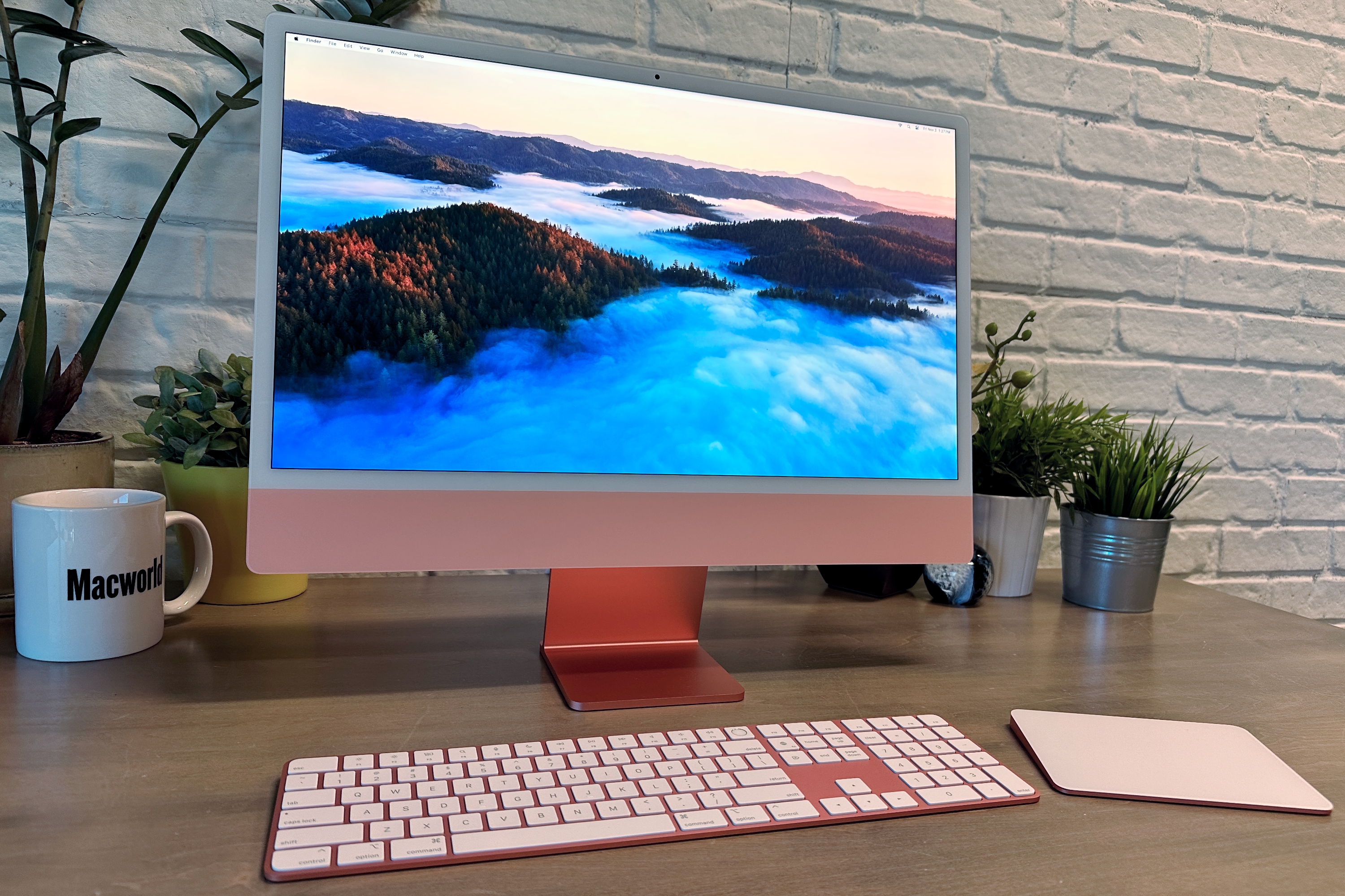
| Aspect | Specification |
|---|---|
| Thickness | 11.5mm |
| Profile | Iconic "chin" design |
| Enclosure | Colorful aluminum |
| Colors | Blue, Green, Pink, Silver, Yellow, Orange, Purple |
| Stand | Adjustable tilt |
OLED-Enabled Design Changes
OLED technology enables significant design improvements:
Thinner Profile
- No LED backlight layer required
- Potential for uniform thickness throughout
- Smaller chin bezel possible
Narrower Bezels

"Any new larger model will shrink the display bezels, have a smaller chin, and be much thinner with a uniform thickness throughout." — Apple Insider
Expected Design Evolution
| Element | Current | OLED Expected |
|---|---|---|
| Chin Size | Prominent | Reduced or eliminated |
| Overall Thickness | 11.5mm | Sub-10mm possible |
| Bezels | Standard | Minimal |
| Weight | Light | Even lighter |
| Colors | 7 options | Maintained or expanded |
Flexible Display Potential
OLED technology opens possibilities for:
- Curved display options (unlikely for initial models)
- Edge-to-edge designs
- Potential for adjustable curvature in future
M5 and Future Chip Integration
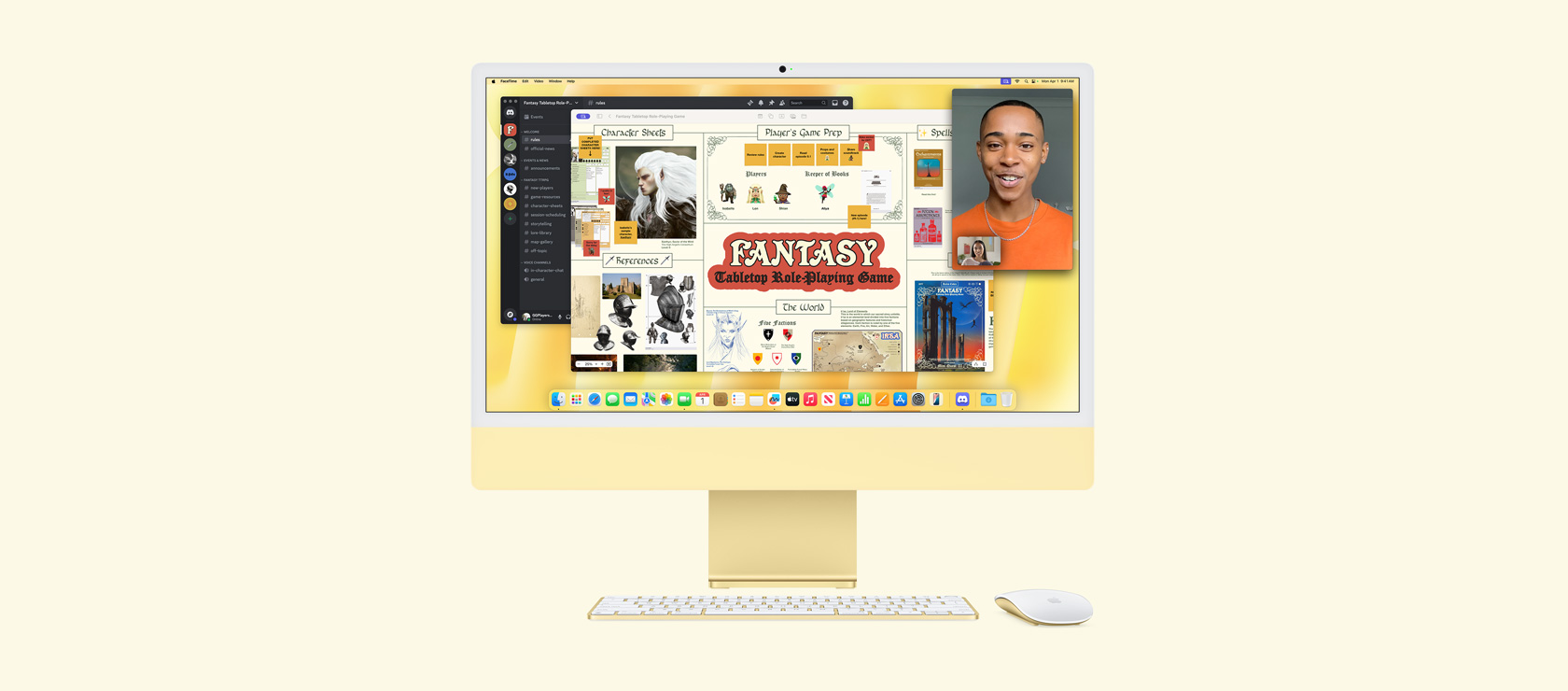
M5 Chip Specifications (Released October 2025)
The Apple M5 chip brings significant improvements:
CPU Specifications
| Aspect | M5 Details |
|---|---|
| Core Configuration | 10-core (4 performance + 6 efficiency) |
| Performance | "World's fastest performance core" |
| Multi-threaded | 15% faster than M4 |
| Process | Third-generation 3nm |
GPU Specifications
| Aspect | M5 Details |
|---|---|
| Core Count | 10-core next-generation |
| Neural Accelerators | In each GPU core |
| AI Performance | 4x peak compute vs M4 |
| Ray Tracing | 45% uplift |
Neural Engine
| Aspect | M5 Details |
|---|---|
| Cores | 16-core |
| Performance | ~133 TOPS |
| Improvement | 12x over M1 |
| Optimization | Apple Intelligence |
iMac M5 Timeline (2026 - LCD)
According to MacRumors, Apple will update the iMac with an M5 chip in 2026:
| Improvement | Details |
|---|---|
| Storage | Up to 4TB (up from 2TB) |
| SSD Speed | 2x faster |
| Display Option | Nano-texture continuing |
| Display Type | LCD (not OLED) |
M5 Max iMac Pro (2026)
Internal Apple software references reveal an iMac with identifier "J833c" running on the "H17C platform"—corresponding to the M5 Max processor:
| Feature | Expected |
|---|---|
| Chip | M5 Max |
| Display | 32-inch mini-LED |
| Memory | Up to 128GB |
| Target | Professional users |
OLED iMac Chip Expectations
Given the 2027-2028 timeline for OLED iMac:
| Timeline | Chip Expectation |
|---|---|
| 2027 Early | M6 series possible |
| 2028 | M7 series possible |
| Launch | Next-generation silicon |
Key Point: The M5 iMac in 2026 will not feature OLED—it will retain LCD or possibly use mini-LED technology.
ProMotion Support
What is ProMotion?
ProMotion is Apple's adaptive refresh rate technology:
| Feature | Details |
|---|---|
| Refresh Range | 10Hz to 120Hz |
| Adaptation | Dynamic based on content |
| Power Benefit | Reduces consumption at low rates |
| Smoothness | Butter-smooth scrolling and animation |
Current iMac Limitation
The 2024 iMac features only a 60Hz refresh rate—significantly behind Apple's other premium devices.
ProMotion Devices (Current)
| Product | ProMotion Status |
|---|---|
| iPhone Pro | Yes (since iPhone 13 Pro) |
| iPad Pro | Yes |
| MacBook Pro 14" & 16" | Yes |
| iMac | No |
| Studio Display | No |
OLED iMac ProMotion Expectations
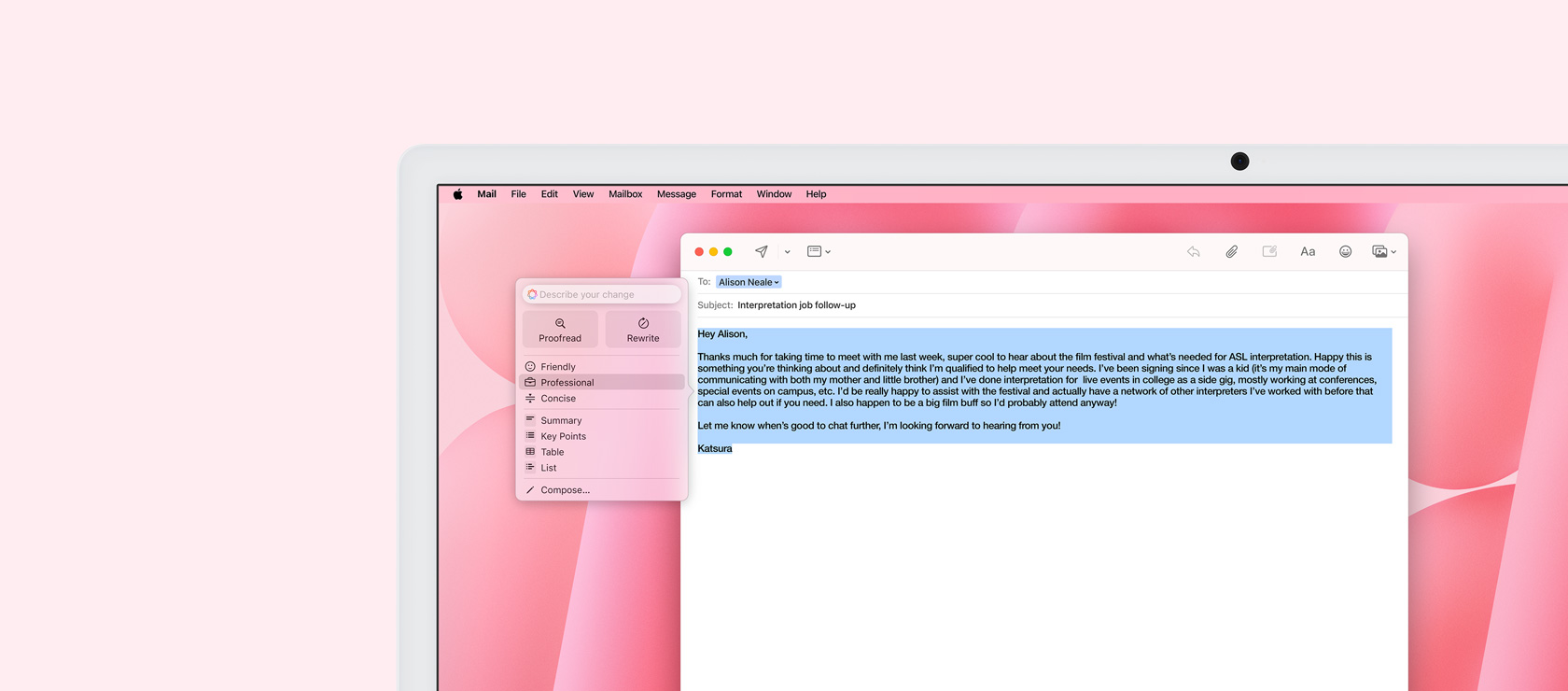
"Apple display technology enhancements bring ProMotion 120Hz across the lineup, enabling smoother animations and responsiveness that matches MacBook fluidity." — Tech Times
Technical Advantages:
- OLED's near-instantaneous pixel response is ideal for high refresh
- Variable refresh rate reduces power consumption
- Smoother scrolling and cursor movement
- Enhanced gaming and video editing experience
ProMotion Timeline for iMac
| Timeline | ProMotion Status |
|---|---|
| 2025 iMac M4 | 60Hz (current) |
| 2026 iMac M5 | Potentially 120Hz mini-LED |
| 2027-2028 OLED iMac | 120Hz ProMotion (almost certain) |
Apple Studio Display 2 Reference
The upcoming Studio Display 2 will feature "variable refresh rate capable of up to 120Hz—aka ProMotion—as well as support for HDR content." This establishes Apple's intent to bring 120Hz to desktop displays.
Price Predictions
Current iMac Pricing (2024)
| Configuration | Price |
|---|---|
| 24-inch iMac (M4, 8-core) | $1,299 |
| 24-inch iMac (M4, 10-core) | $1,499 |
| Nano-texture option | +$200 |
OLED Price Premium Factors
Several factors will influence OLED iMac pricing:
Manufacturing Costs
OLED panels are inherently more expensive to produce:
- Specialized equipment required
- Organic materials are costly
- Lower manufacturing yields
- New fab investments needed
Technology Investment
According to analyst Jose Adorno: "If OLED prices remain high by 2026 and 2027, we might see Apple retaining LCD panels longer."
Price Predictions
Based on MacBook Pro OLED pricing expectations:
| Model | Current LCD Price | Estimated OLED Price |
|---|---|---|
| Base 24-inch | $1,299 | $1,499-$1,599 |
| Mid-tier | $1,499 | $1,699-$1,799 |
| High-end | $1,999 | $2,199-$2,499 |
| 32-inch Pro | N/A | $2,999-$3,999+ |
Expected Premium: $200-400 above comparable LCD models.
Price Trend Factors
| Factor | Impact | Direction |
|---|---|---|
| OLED manufacturing maturity | Decreasing costs | Lower prices |
| Component consolidation | More suppliers | Competitive pricing |
| Apple volume | Economies of scale | Cost reduction |
| Premium positioning | Brand value | Price maintenance |
Supply Chain Analysis
Primary OLED Suppliers
Samsung Display
| Aspect | Details |
|---|---|
| Market Position | Leader in smartphone OLED |
| Apple Shipments 2024 | 124 million panels |
| Apple Shipments 2025 | 125 million (expected) |
| Technology | QD-OLED for larger panels |
| Development | 5-stack variations for brightness |
LG Display
| Aspect | Details |
|---|---|
| Market Position | Second-largest Apple supplier |
| Apple Shipments 2024 | 67.5 million panels |
| Apple Shipments 2025 | 75.1 million (expected) |
| Technology | W-OLED expertise |
| iPad Pro Panels | Largest supplier for 2024 |
Manufacturing Technology
Current Fab Status:
- LG and Samsung preparing half-Gen 6 fabs for RGB tandem stack
- Gen 8.7 fab investments planned for MacBook OLED (2026)
Equipment Preference: Apple prefers Gen 8 deposition equipment from Japan's Canon Tokki.
Technology Competition for iMac Panels
| Supplier | Technology | Advantages | Challenges |
|---|---|---|---|
| Samsung | QD-OLED | Higher brightness, wider color | Complex manufacturing |
| LG | W-OLED | Proven at large sizes, cost-effective | Lower color volume |
| Apple Preference | RGB OLED | Best color accuracy | Not mature at 20-30" |
Panel Technology Options
RGB OLED (Apple's Preference):
- Individual red, green, blue emitters
- Best color accuracy
- Not yet scalable to desktop sizes
QD-OLED (Samsung's Offering):
- Blue OLED + quantum dots
- Excellent brightness and color
- Successfully scaled to larger panels
W-OLED (LG's Offering):
- White OLED + color filters
- Mature technology
- Lower color saturation than alternatives
Both Samsung and LG are proposing "5-stack" variations to achieve Apple's 600-nit brightness target while addressing longevity and burn-in concerns.
Should You Wait or Buy Now?
Decision Framework

Buy the Current/M5 iMac If:
| Reason | Explanation |
|---|---|
| Need a computer now | 2-4 year wait is impractical |
| Current LCD is excellent | 4.5K Retina display is already superb |
| Budget considerations | OLED will cost $200-400 more |
| Production work needs | Current iMac handles creative work well |
| Apple Intelligence | M4/M5 iMacs fully support AI features |
Wait for OLED iMac If:
| Reason | Explanation |
|---|---|
| Display quality is paramount | OLED offers measurable improvements |
| No urgent need | Can wait until 2027-2028 |
| HDR content creation | Per-pixel HDR is transformative |
| Future-proofing priority | OLED represents next generation |
| Thin design desired | OLED enables thinner profiles |
Expert Recommendation
"For consumers considering an iMac purchase today, the current M4 iMac offers excellent value, and waiting 3+ years for OLED is not practical for most users." — iDrop News Analysis
Timeline Reality Check
| Decision | Wait Time |
|---|---|
| Buy M4 iMac (2024) | 0 months |
| Buy M5 iMac (2026) | ~6-12 months |
| Wait for OLED iMac | 24-48 months |
For most users, the M4 or upcoming M5 iMac represents the practical choice. Only those with specific OLED requirements and no immediate need should consider waiting.
Frequently Asked Questions
When will the OLED iMac be released?
The OLED iMac is expected to launch in 2027-2028 at the earliest. Panel development must be completed between 2027-2028, with product launch following mass production.
What size will the OLED iMac be?
The initial OLED iMac will be 24 inches, matching the current consumer model. Larger 27-inch and 32-inch variants may follow.
How much will the OLED iMac cost?
Expect a $200-400 premium over comparable LCD models. A base OLED iMac could cost $1,499-$1,599 compared to the current $1,299 LCD model.
Will the OLED iMac have burn-in issues?
Modern OLED displays include extensive burn-in mitigation technologies. Testing shows ~87% of users with 18+ months of OLED use report no visible burn-in. Apple will likely implement aggressive protection for desktop usage patterns.
Will there be an M5 OLED iMac?
No. The M5 iMac expected in 2026 will use LCD (or possibly mini-LED) technology. OLED will arrive with later chip generations (M6/M7).
Will the OLED iMac have ProMotion?
Very likely. OLED technology is ideal for 120Hz adaptive refresh, and Apple is bringing ProMotion to desktop displays (as seen with the upcoming Studio Display 2).
Should I wait for the OLED iMac?
For most users, no. The 2-4 year wait is impractical. The current M4 iMac and upcoming M5 iMac offer excellent performance. Only wait if OLED-specific features are essential to your workflow.
Will there be a larger iMac?
A 32-inch iMac Pro is rumored for 2026 with M5 Pro/Max chips, but likely with mini-LED rather than OLED technology initially.
What OLED technology will Apple use?
Apple prefers RGB OLED but may accept QD-OLED (Samsung) or W-OLED (LG) due to manufacturing challenges at desktop sizes.
What happens after OLED?
Apple's long-term display roadmap leads to MicroLED technology, expected in the 2030s for consumer products.
Conclusion
The OLED iMac represents Apple's commitment to bringing the best display technology to all its product lines. While the 2027-2028 timeline feels distant, the wait will be worthwhile for those who prioritize display quality above all else.
Key Takeaways
| Aspect | Summary |
|---|---|
| Timeline | 2027-2028 panel development, 2028-2029 launch |
| Initial Size | 24-inch (matching current) |
| Brightness | 600 nits (20% improvement) |
| Resolution | Same 4480 x 2520 (218 PPI) |
| Price Premium | $200-400 expected |
| ProMotion | 120Hz very likely |
| Design | Thinner, smaller bezels, reduced chin |
Recommendations by User Type
| User Type | Recommendation |
|---|---|
| General users | Buy M4/M5 iMac |
| Creative professionals | Buy M5 iMac Pro when available |
| Display enthusiasts | Consider waiting for OLED |
| Budget-conscious | Current M4 iMac offers best value |
| No urgent need | Evaluate closer to 2027 |
Final Thoughts
Apple's OLED iMac will undoubtedly be worth the wait for display quality alone. However, for the majority of users who need a computer in the next 2-3 years, the current LCD iMac—and the upcoming M5 generation—provides excellent performance, beautiful displays, and full Apple Intelligence support.
The future of iMac is OLED. The question is simply whether you can wait for it.
Related Articles
- M5 MacBook Air 2026: Complete Guide to Release Date, Features & Specifications
- Apple 2026 Product Roadmap: Complete Preview of 25+ New Devices
- Apple M5 Chip: Complete Technical Analysis 2025
- macOS Tahoe Performance Analysis: Complete Benchmark Review 2025
Sources
- MacRumors - Apple Developing 24-Inch OLED iMac
- Apple Insider - OLED iMac May Launch in 2027
- The Elec - Korean Industry Publication
- Apple Newsroom - M5 Chip Announcement
- 9to5Mac - Apple Coverage
Last updated: December 30, 2025