Vision Pro M5 Upgrade: Supply Chain Analysis & Performance Roadmap
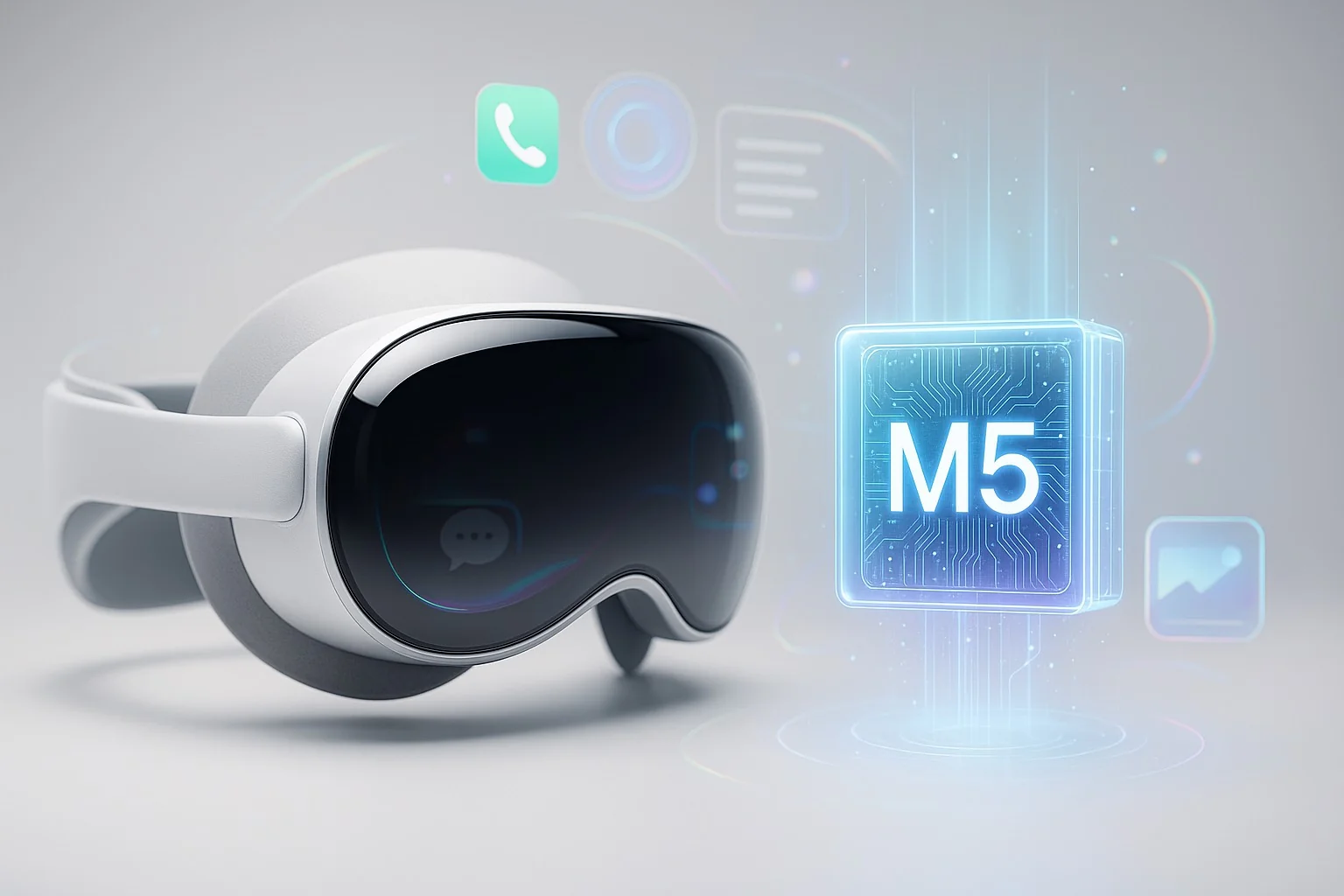
Analysis of Vision Pro M5 chip upgrade timeline, spatial computing performance improvements, and purchase recommendations for 2025.
Apple's Vision Pro has established itself as a premium spatial computing device, and industry analysts speculate about potential future improvements including possible M5 chip integration. Based on supply chain intelligence and technology roadmap analysis, this comprehensive guide examines projected developments for next-generation Vision Pro hardware and provides strategic purchase timing considerations.
Important Disclaimer: This analysis is based entirely on industry speculation, supply chain reports, and technology trend analysis. Apple has not announced any M5 chip development or Vision Pro hardware updates. All specifications and timelines discussed are analyst predictions.
Supply Chain Intelligence: Q3 2025 Production Timeline
Manufacturing Readiness Assessment
According to various industry analysts and supply chain observers, some suppliers may be preparing for potential next-generation Vision Pro production. These reports are entirely speculative and unverified, representing supply chain pattern analysis rather than confirmed Apple plans or timelines.
Key Supply Chain Indicators:
- TSMC's 3nm+ process node allocation suggests increased Apple Silicon production capacity
- Display panel suppliers reportedly testing new micro-OLED specifications
- Foxconn assembly lines being optimized for enhanced Vision Pro variants
- Component sourcing patterns indicating Q4 2025 market introduction
Production Volume Projections: Supply chain sources suggest Apple may target 500,000-750,000 units in the initial production run, representing a more aggressive scaling strategy compared to the current Vision Pro's cautious market approach.
Critical Supply Chain Dependencies
Micro-OLED Display Constraints: Sony remains the primary micro-OLED supplier, and production capacity improvements are crucial for meeting anticipated demand. Reports indicate Sony is investing in expanded manufacturing capabilities specifically for Apple's spatial computing roadmap.
Advanced Optics Manufacturing: The precision lens systems require specialized German and Japanese suppliers, whose capacity scaling timelines directly impact Vision Pro M5 availability.
M5 Chip Architecture: Spatial Computing Performance Revolution
Computational Performance Projections
Based on historical Apple Silicon development patterns, a hypothetical M5 chip might deliver improvements for spatial computing applications, following typical generational advancement trends.
Conservative Performance Estimates:
- CPU Performance: Potential 15-25% improvement following historical Apple Silicon patterns
- GPU Capabilities: Possible 20-30% graphics performance increase based on typical generation advances
- Neural Engine: Expected continued AI/ML processing improvements following established roadmaps
- Memory Architecture: Likely memory system enhancements based on technology trends
All performance projections are speculative estimates based on historical Apple Silicon development patterns
Spatial Computing-Specific Optimizations
Real-Time Rendering Enhancements: The M5 is anticipated to feature dedicated hardware blocks for:
- Advanced ray tracing for realistic lighting in mixed reality
- Improved depth sensing and spatial mapping
- Enhanced eye tracking and foveated rendering
- Reduced motion-to-photon latency (targeting sub-20ms)
Power Efficiency Breakthroughs: Based on TSMC's 3nm+ process improvements, the M5 could deliver:
- 30-40% better performance per watt
- Extended usage time (potentially 3-4 hours of intensive use)
- Reduced thermal throttling during demanding applications
Visual Fidelity and User Experience Improvements
Display and Optical Enhancements
While the M5 chip upgrade may not directly change the display panels, improved processing power enables significant visual quality improvements:
Rendering Quality Upgrades:
- Higher effective resolution through advanced upscaling algorithms
- Improved anti-aliasing and temporal filtering
- Enhanced HDR processing for more realistic virtual content
- Better color accuracy and contrast management
Latency Reduction Strategies:
- Predictive rendering based on eye movement patterns
- Reduced system-level processing delays
- Improved hand tracking responsiveness
- More natural interaction feedback
Audio and Spatial Sound Improvements
The M5's enhanced processing power could enable:
- More sophisticated spatial audio algorithms
- Real-time acoustic environment simulation
- Improved noise cancellation for mixed reality scenarios
- Enhanced directional audio precision
Developer Ecosystem Impact and Application Opportunities
Enhanced Development Capabilities
The M5 upgrade opens new possibilities for Vision Pro developers:
Performance-Intensive Applications:
- Professional 3D modeling and CAD applications
- Real-time collaborative virtual workspaces
- Advanced gaming experiences with console-quality graphics
- Scientific visualization and data analysis tools
AI-Powered Experiences:
- Real-time language translation with visual overlay
- Intelligent object recognition and interaction
- Personalized content recommendations based on spatial behavior
- Advanced accessibility features powered by machine learning
Market Positioning and Developer Adoption
Enterprise Applications: The improved performance could accelerate enterprise adoption in:
- Manufacturing and industrial design
- Medical training and surgical planning
- Architectural visualization and real estate
- Remote collaboration and training platforms
Competitive Landscape Analysis
Performance Comparison Framework
Based on projected specifications, the Vision Pro M5 could establish significant advantages over competing VR/AR platforms:
Processing Power Leadership:
- Substantially higher CPU performance than Meta Quest Pro
- Superior graphics capabilities compared to HTC Vive lineup
- More advanced AI processing than competing standalone headsets
- Better thermal management than Windows Mixed Reality devices
Ecosystem Integration Advantages:
- Seamless connectivity with Mac, iPhone, and iPad
- Native support for Apple's development tools and frameworks
- Access to Apple's extensive media and productivity software suite
- Superior privacy and security architecture
Market Differentiation Strategy
Apple's approach with the M5 upgrade appears focused on:
- Premium professional and creative applications
- Seamless ecosystem integration
- Privacy-first spatial computing
- Long-term platform sustainability over market share dominance
Purchase Timing and Strategy Recommendations
Current Vision Pro Owners
Upgrade Considerations: For existing Vision Pro users, the decision to upgrade should consider:
- Professional Use Cases: If your work requires maximum performance, waiting for M5 may be worthwhile
- Development Activities: App developers should consider the enhanced capabilities for future-proofing projects
- Budget Constraints: Current Vision Pro values may decline significantly upon M5 announcement
Recommended Timeline:
- Immediate Needs: Purchase current Vision Pro if immediate use is required
- Future-Focused: Wait for official M5 announcement if usage can be delayed 6-12 months
- Professional Users: Consider current model for immediate productivity, plan M5 as tax-deductible upgrade
First-Time Buyers
Strategic Purchase Windows:
- Q4 2024: Potential discounts on current Vision Pro as inventory clears
- Q1 2025: Watch for official announcements affecting purchase decisions
- Q3-Q4 2025: M5 model availability (if timeline reports prove accurate)
Budget Planning: Based on Apple's historical pricing strategy:
- Current Vision Pro may see $500-800 price reduction upon M5 announcement
- M5 model likely to maintain premium $3,499+ starting price
- Consider total cost including accessories and AppleCare+
Risk Assessment and Uncertainty Factors
Timeline Reliability
Important Disclaimers:
- All production timelines remain speculative and unconfirmed by Apple
- Supply chain disruptions could significantly impact availability
- Apple's strategic priorities may shift based on market conditions
- Component shortages or technical challenges could delay launch
Performance Expectations Management
Conservative Projections: While M5 improvements appear promising, realistic expectations should account for:
- Potential thermal constraints in the compact Vision Pro form factor
- Battery life trade-offs with increased performance
- Software optimization requirements for full performance utilization
- Learning curve for developers adapting to new capabilities
Strategic Recommendations Summary
For Individual Consumers
- Immediate Need: Current Vision Pro offers excellent spatial computing experience
- Future Investment: M5 upgrade likely worthwhile for performance-sensitive users
- Budget Conscious: Monitor price dynamics as M5 announcement approaches
For Enterprise and Developers
- Development Planning: Begin considering M5 capabilities in application roadmaps
- Training Investment: Current Vision Pro provides excellent platform for skill development
- Procurement Strategy: Plan budgets for potential 2025 hardware refresh cycles
For Industry Observers
The Vision Pro M5 represents more than a hardware upgrade—it signals Apple's commitment to establishing spatial computing as the next major computing platform. The performance improvements, if realized, could accelerate mainstream adoption and expand use cases significantly.
Market Impact Considerations:
- Potential catalyst for broader VR/AR market growth
- Increased pressure on competitors to enhance performance offerings
- New opportunities for software developers and content creators
- Possible influence on enterprise digital transformation strategies
The speculative Vision Pro hardware evolution timeline represents industry analysis rather than confirmed Apple plans. While the spatial computing platform continues to develop, all discussed timelines, specifications, and capabilities remain entirely unverified.
Comprehensive Disclaimer: This entire analysis is based on:
- Unverified industry speculation and rumors
- Supply chain pattern analysis (not confirmed manufacturing plans)
- Technology trend projections (not Apple roadmaps)
- Historical development pattern analysis
No Official Information: Apple has not announced, confirmed, or indicated:
- M5 chip development or specifications
- Vision Pro hardware updates or timeline
- Any of the features, capabilities, or improvements discussed
Purchase Guidance: All purchase recommendations are based on general technology buying strategies, not specific product knowledge. Consumers should base decisions on official Apple announcements and verified product information only.